Not about that citrus life? These fruits and veggies have everything you need.
Graphic By Dana Davenport; Davies And Starr / Getty Images
Vitamin C is a powerful antioxidant that's readily available in tons of fruits and veggies (not just oranges). And while it may not actually help cure a cold, as is commonly thought to be the case, Lindsey Pine, M.S., R.D., owner of Tasty Balance Nutrition, says it can boost your immune system and help your body fight infection. It's also a great vitamin to load up on after a workout because its anti-inflammatory properties can help decrease muscle inflammation.
So how much should you try to have on a daily basis? Pine explains that you can safely consume up to 2,000 mg of vitamin C, but you definitely don't need that much to reap the benefits—in fact, adult women only need about 75 mg a day, she says. Filling this quota is incredibly easy. Just one orange has about 100 mg of vitamin C, which is 130 percent of that daily recommended intake.
But oranges aren't the only source of this important nutrient. Whether you aren't a fan of that classic fruit, or are just looking to mix up your diet, these 10 foods have more than enough vitamin C to satisfy the daily recommendation—no citrus in sight.
Getty Images/James Ross
Bell peppers
Veggies can be great sources of vitamin C, too. Take bell peppers, for example. One medium red bell pepper has about 152 mg of vitamin C. Green bell peppers don't have quite as much—just 95 mg per one medium pepper, but that's still about 130 percent of your daily recommended intake. Eat them raw or roasted.
Getty Images/JBfotoblog
Chili peppers
Can you handle the heat? Well then, chili peppers are another great option. There are 64 mg of vitamin C in one tiny pepper, which is nearly the entire daily recommendation. If you don't mind working up a sweat, eat two to get you past that 75 mg mark.
Getty Images/Sylvie Shirazi Photography
Kale
There are a lot of reasons to love this superfood (including the fact that it's Beyoncé's favorite vegetable). It's also packed with vitamin C—1.5 cups of kale has 120 mg of vitamin C. Add that to your list of reasons to eat kale salad on the reg.
Getty Images/EyeEm
Broccoli
Broc till you drop. One cup of cooked broccoli has 101 mg of vitamin C. Use this veggie in stir-frys or pasta.
Getty Images/julie clancy
Brussels sprouts
Not in love with Brussels sprouts? The fact they're high in vitamin C just might change your mind. One sprout has just eight calories and 13 mg of vitamin C. Eat six sprouts to reach your daily goal, and more if you're still hungry after that. Serve them roasted alongside a protein like chicken, or shredded on top of pizza.
Getty Images/Beth Galton
Papaya
One papaya has about 185 mg of vitamin C. However, papayas can tend to be pretty large, so you may not want to eat an entire thing all at once. Try adding it to your next smoothie in for a tart kick.
Getty Images/Louise Docker Sydney Australia
Strawberries
This fruit isn't just the best thing about summer—it's also deliciously high in this antioxidant. Just 10 berries have about 108 mg of vitamin C.
Getty Images/Carolyn Taylor Photography
Kohlrabi
Not familiar with kohlrabi? This vegetable is a funny looking cabbage varietal that's packed with vitamin C, and 1.5 cups of cooked kohlrabi has 133 mg of vitamin C.
Getty Images/EyeEm
Pineapple
Getty Images/James Ross
Kiwi
One cup of kiwi (which is about two kiwis) has 164 mg of vitamin C. Bonus: This fruity snack is also low in calories!
SELF does not provide medical advice, diagnosis, or treatment. Any information published on this website or by this brand is not intended as a substitute for medical advice, and you should not take any action before consulting with a healthcare professional.
See The Ordinary Buffet + Copper Peptides before you buy.
A quick look at The Ordinary Buffet + Copper Peptides 1% reviews
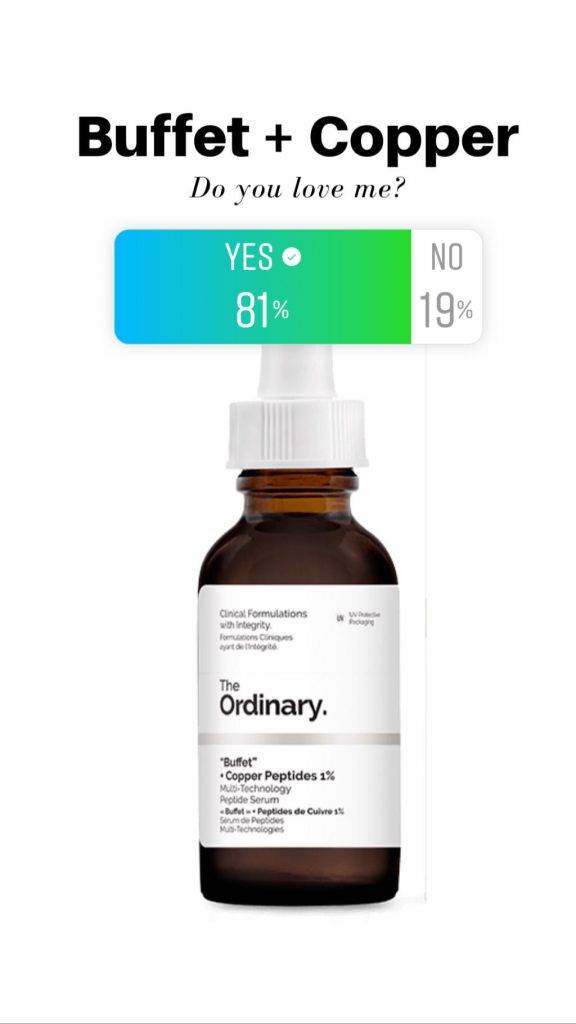
81% of the Deciem Addicts love it
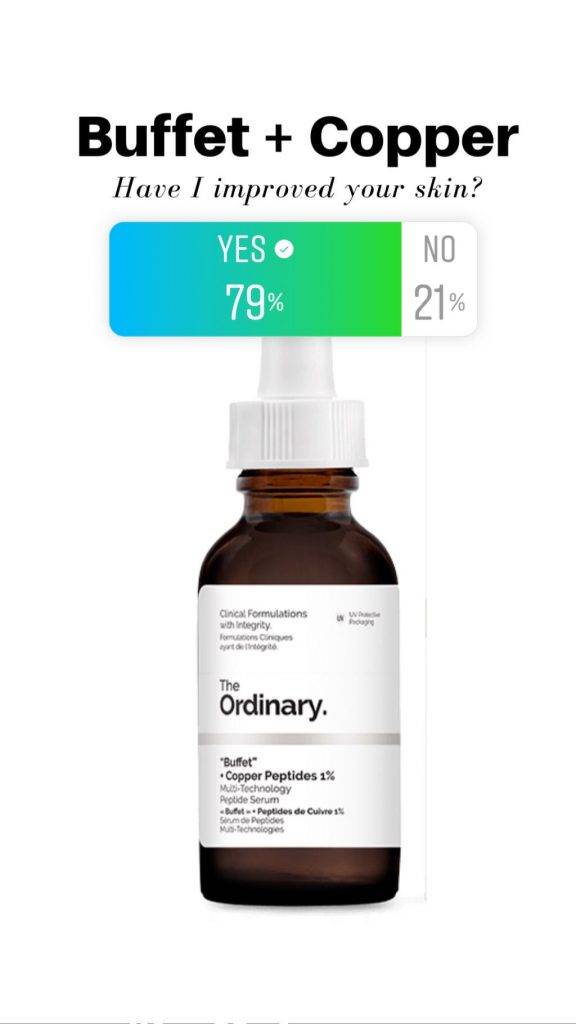
79% say Buffet + Copper Peptides works
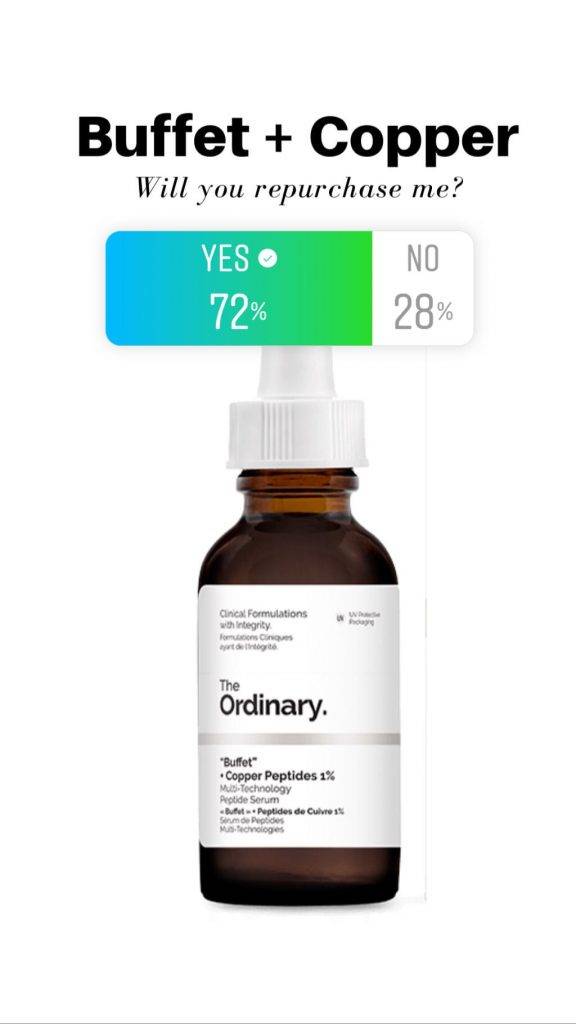
72% will be repurchasing it
Scores 4.4/5 on the Deciem website
Helps loss of skin elasticity
Firmness
Plumpness
General skin health targeting many signs of ageing at once.
The Ordinary Buffet + Copper Peptides – Everything you need to know before buying
Everything you need to know about Buffet + Copper Peptides, including when and how to use, conflicts, the period after opening, unboxing, colour, texture and reviews by the Deciem Addicts, the people who have bought, tried and tested.
What is The Ordinary Buffet + Copper Peptides, and what does it do?
When and how do I use The Ordinary Buffet + Copper?
Which products does Buffet + Copper Peptides conflict with?
What is the PAO of Buffet + Copper Peptides?
Colour, texture and smell.
Unboxing Buffet + Copper Peptides
Reviews of The Ordinary Buffet + Copper Peptides
FAQS Buffet + Copper Peptides
Similar products to Buffet + Copper Peptides
Where to buy The Ordinary Buffet + Copper Peptides
What Is The Ordinary Buffet + Copper Peptides 1% & What Does It Do?
Buffet + Copper Peptides 1% is The Ordinary Buffet with the added benefit of copper, which focuses on overall skin health. Copper can help build new collagen and elastin into the skin. Overall it's a brilliant product for general skin health, targeting many signs of ageing at once.
Helps loss of skin elasticity
Firmness
Plumpness
General skin health targeting many signs of ageing at once
Deciem's Simple Explanation "Buffet" + Copper Peptides 1% – All the goodness of "Buffet" with the additional benefits of a 1% concentration of GHK-Cu (Copper Tripeptide), which focuses on the maintenance of general skin health by encouraging the skin to enter a constant state of repair. This aims to ward against loss of skin elasticity, firmness, and plumpness and help 'undo' the impact of our stress-filled, busy lifestyle.
How & When Do I Use The Ordinary Buffet + Copper?
The Ordinary Buffet is a water-based solution and can be used in the morning and in the evening.
Start with cleansed skin and use a couple of drops over the entire face before applying other products.
There are quite a few products that conflict with this (see below), so you may find you can only use this once a day.
Which Products Conflict With The Ordinary Buffet + Copper?
Updated November 2020. The Ordinary Buffet + Copper Peptides shouldn´t be used in the same routine as the following products;
Direct Acids
Vitamin C (ELAA & LAA)
Strong Antioxidants
Retinol & Retinoids
Which products can I use with Buffet & Copper Peptides?
Please always check the official Deciem page as occasionally information changes. Patch testing is highly recommended before use.
All the "more molecules" Niacinamide, Alpha Arbutin, Caffeine
Hydrators & Oils
Buffet + Copper can be mixed with the Niacinamide powder.
You can find a list of all the products you can and cannot mix here.
This is Deciem´s response to mixing Peptides and Acids.
Our rule against combining strong antioxidants only applies to our products containing copper peptides. We would not recommend combining direct acids with peptides due to the susceptibility of peptides to hydrolysis (which breaks the bonds between peptides, reducing their efficacy, and making them into individual amino acids). At low pH, the peptides undergo processes such as deamidation (the removal of an amide group) and oxidation, which compromise the activity of the peptides.
Having said that, if you have previously combined peptides with acids and have not experienced any negative side effects or discolouration, you may continue to combine the two products as so as the combination does not pose any potential harm. Our recommendations are meant to serve as a preventative measure to avoid any incompatibility between those combinations and also because skin tolerance is subjective. Hope this helps!
What is the PAO of Buffet + Copper Peptides?
The period after opening is 6 months.
What is the colour, texture and smell of The Ordinary Buffet + Copper Peptides?
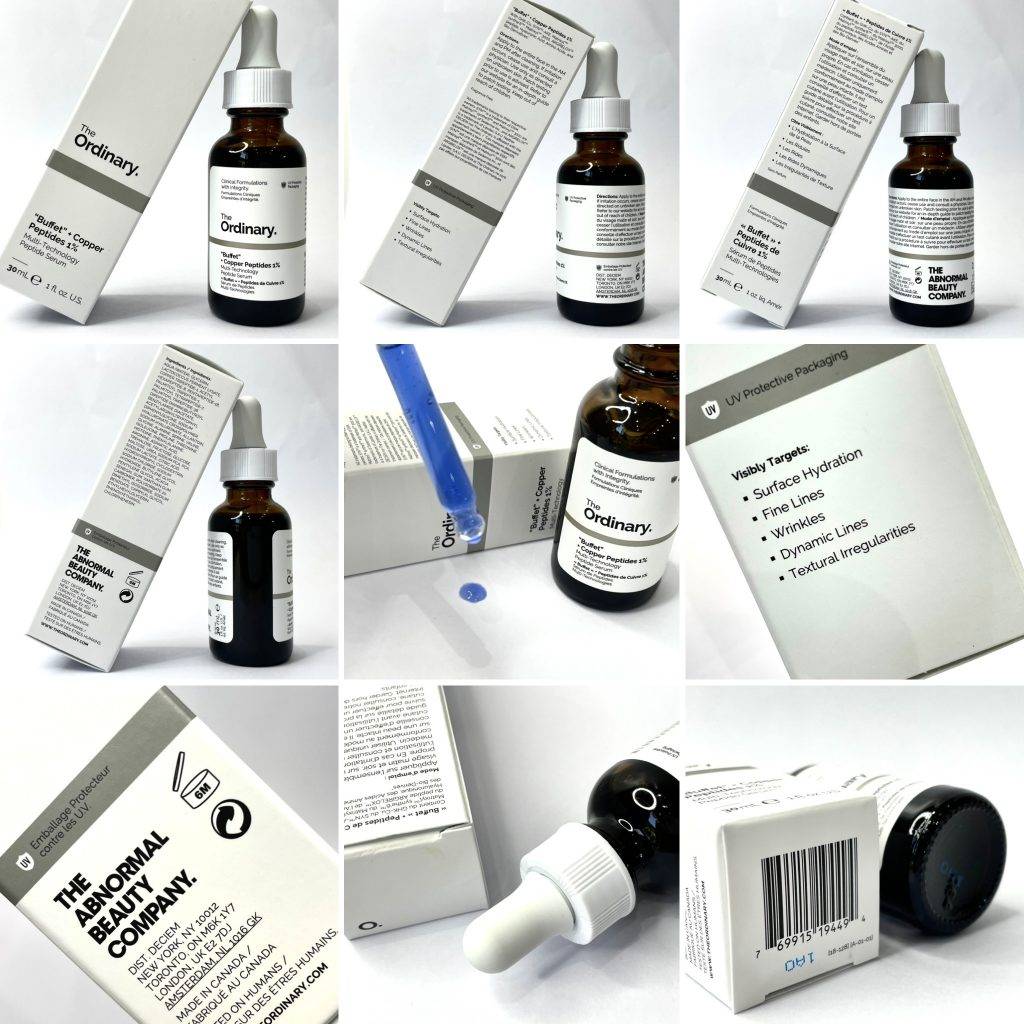
See the photos and video below that show the product and consistency. The colour is a beautiful blue colour. The solution is water-based, not too thick or too watery. It´s not as thin as NIOD CAIS. Slight smell, nothing too strong.
Photos of The Ordinary Buffet + Copper Peptides – Authentic
This product was purchased directly from Deciem. Always buy from authorised Deciem stockists.
The Ordinary Buffet + Copper Reviews
The Ordinary Buffet + Copper currently scores 4.4/5 on the Deciem website. Deciem Chat Room is about your honest thoughts and reviews, and you can read more and interact with the Deciem Addicts on Instagram.
Tracy I love it. Much nicer consistency than the regular Buffet. Beautiful color and texture. Keeps my skin hydrated and fine lines at bay.
Nia Patten My review is- "Buffet and Copper peptides have fantastic ingredients, and I recommend for a gentle long term way to tackle ageing. Unfortunately, I have to use azelaic acid morning and night for my acne, so I haven't been able to give it a fair trial."
Anna Buffet+Copper: I use this stuff every night, no-fail and I love it. It has a beautiful, silky feel and gives my skin glowy, firm and smooth.
ST says: I've been using Buffet + Copper Peptides for a few weeks with The Ordinary Matrixyl in the evening and the results are already evident, smooth skin, fleshed out plump.
TEF says: Definitely a 5 out of 5 for The Ordinary Buffet + Copper. If I could give it a 10 I would. Not only does it help with lines, wrinkles, texture irregularities, and dehydration. It also helps to repair the skin. My dark spots and broken skin from acne heals so much faster. My skin is healthier and looks younger. There's nothing I dislike about Buffet+Copper. I know Buffet+Copper isn't active or acid but I still suggest introducing it slowly into your routine.
More Reviews
SA says: I would rate Buffet + Copper a 5/5. It just made my skin so soft, clear, and plump with just 1 week into using it people have started to notice a difference in my skin. I use it in AM and PM and all over my face including over and under eyes.. simply love it.
MM says 5/5 for The Ordinary Buffet + Copper Peptides. My skin was already in a very good state, with a well-established skincare routine when I started using it. And yet, after a few days of use, I noticed that I couldn't feel the bit of tightness I felt after cleansing. My skin was deeply moisturized. My advice to other users? Buy it. Yesterday. You need this, but you just don't know it yet.
KP says 5 of 5! Buffet + Copper Peptides has helped my skin tremendously, and my lines are less visible than ever. It´s my holy grail for sure. It might be a bit tacky, but nothing the moisturizer won't change.
LSH says 2/5. I want to love Buffet + Copper Peptides because of the ingredients, and it's a cheaper alternative to NIOD, but it seems like every time I start using, I get blackheads.
LL says 0/5. I had no problems arise with Buffet + Copper, but I used it for over a month, and it did nothing for my skin.
Buffet + Copper Peptides FAQs
These FAQs have been answered by Deciem on social media. Some may conflict with the latest information on products you should not use with this (see above).
Can I use Buffet + Copper Peptides with Retinoid? We would recommend using them on separate AM/PM regimens.
Can I use Buffet+Copper & 100% L- Ascorbic Acid Powder? Is it ok to mix and apply in the evening? It is best to not use Peptides in the same routine as the following products: Direct acids, LAA (L-Ascorbic Acid), and ELAA (Ethylated Ascorbic Acid). In addition, we would recommend avoiding the use of products containing copper peptides in the same routine as strong antioxidants as well as direct acids/LAA/ELAA.
Can I use Buffet + Copper Peptides with one of The Ordinary Vitamin C Products? If topical L-Ascorbic Acid/Ethylated Ascorbic Acid or Direct Acids are used as part of your routine, we recommend alternating use between them and peptide serums.
Can I use this alongside Lactic Acid at night time? We recommend using them in separate routines altogether for maximum benefits. Peptide serums can be used in the same routine as direct acids or Vitamin C, but such use can cause the peptides to hydrolyze and render them less effective. It would be ideal to use them at alternative times in your routine.
Can I use Buffet + Copper with the Glycolic Acid Toning Solution? For best results, we suggest alternating between them AM/PM.
More FAQs
How do I use The Ordinary Amino Acids & Buffet + Copper Peptides together? Buffet" + Copper Peptides may be applied before Amino Acids + B5.
Can I use this Buffet + Copper with Niacinamide & Zinc? Yes you can
Are there any serums we can't mix with this? It is best to not use Peptides in the same routine as the following products: Direct acids, LAA (L-Ascorbic Acid) and ELAA (Ethylated Ascorbic Acid). We would also recommend avoiding the use of products containing copper peptides in the same routine as strong antioxidants as well as direct acids/LAA/ELAA.
Can I use Buffet + Copper after my micro-needle treatment to help with the healing and prevent inflammatory pigmentation? Our products have not been tested for use after derma rolling, and we, unfortunately, can't advise for such use. We would recommend avoiding the application of any direct acids, vitamin C's, and retinoids for 24-48 hours after your derma roll. However, if you choose to incorporate products while derma rolling, we highly recommend trying a small test patch prior to the full application to the face.
What is the difference between Buffet + Copper Peptides and Matrixyl? Can they both be used in the same regimen? The Ordinary Buffet + Copper Peptides 1% is a lightweight, multi-technology peptide serum that targets various visible signs of ageing at once, including the look of fine and dynamic lines. Also contains a 1% concentration of GHK-Cu (Copper Tripeptide) which focuses on skin health and has a very long-term value to the skin. The Ordinary Matrixyl 10% + HA A high-strength peptide formulation that visibly targets the look of static and dynamic wrinkles. The Ordinary Buffet + Copper Peptides 1% also contains Matrixyl (as does our original "Buffet"). You can absolutely use both in the same routine if desired.
Final Thoughts On Buffet + Copper
This is a well-loved product, with 81% of the Deciem Addicts loving it. A whopping 79% say their skin has improved, and finally, 72% will be repurchasing it. Buffet + Copper Peptides also currently scores 4.4/5 on the Deciem website. This is a great alternative to NIOD CAIS and NIOD CAIL.
Where to buy The Ordinary Buffet + Copper Peptides
The best place to buy is at Deciem with free delivery on orders over 25€$50$AUD. You can also find it at one of the many Deciem stockists.
Products Similar To Buffet + Copper Peptides
If you have tried The Ordinary Buffet + Copper and like the effects of Copper, you may wish to also have a look at NIOD CAIS and CAIL.
Blackmores Vitamin C 1000 Echinacea Zinc Effervescent
Researchers in the United Kingdom say a study on eyesight shows diet and environmental factors are more important than genetics in lowering risk of cataracts.
Eating an apple a day may keep the doctor away, but eating oranges might do the same for cataracts.
In a study published today in the journal Ophthalmology, researchers in the United Kingdom said a higher dietary intake of vitamin C might significantly reduce the risk of developing cataracts.
The study, led by scientists at King's College London, is the first to conclude that dietary and environmental factors play a larger role than genetics in the development of cataracts.
"The findings of this study could have significant impact, particularly for the aging population globally by suggesting that simple dietary changes such as increased intake of fruits and vegetables as part of a healthier diet could help protect them from cataracts," Dr. Chris Hammond, professor of ophthalmology at King's College, consultant eye surgeon and lead author of the study, said in a statement.
Read More: What Is a Cataract? »
The researchers estimated genetic factors account for 35 percent of the difference in cataract progression. Environment and lifestyle account for 65 percent.
To study the impact diet has on cataracts, the researchers tracked the progression of the eye condition in 324 pairs of female twins from the United Kingdom.
The scientists examined digital images of the women's eye lenses when they were about 60 years old. They then studied the same type of images 10 years later.
They kept track of the women's intake of vitamins A, B, C, D, and E. They also tracked their intake of copper, manganese, and zinc using a food questionnaire.
The researchers said the women who ingested more vitamin C initially had a 20 percent reduced risk of developing cataracts. After 10 years, that risk had decreased by 33 percent.
The researchers noted that there was little risk reduction in the women who took vitamin supplements. Instead the preventative effects appeared to be obtained only by eating foods rich in vitamin C.
Dr. Ravi D. Goel, an ophthalmologist from New Jersey who is also a clinical instructor at Wills Eye Hospital in Pennsylvania, said the study provides helpful information for patients and doctors.
"These are novel findings for patients going forward," Goel, a spokesperson for the American Academy of Ophthalmology, told Healthline. "This is a helpful tool for patient education."
Read More: Americans Spend Billions on Vitamins and Supplements That Don't Work »
Cataracts occur when the lens of the eye becomes cloudy due to oxidation over a long period of time.
The researchers said the fluids that bathe the eye are rich in vitamin C, which helps stop the lens from oxidizing.
The dietary intake of vitamin C helps prevent cataracts by increasing the amount of this vitamin in the eye fluid.
The researchers added that smoking and diabetes also are risk factors for certain kinds of cataracts, so a balanced diet and healthy lifestyle are important.
"Healthy diets are always an advantage for patients," added Goel.
Goel also said vitamin C has already been shown to help slow the progression of age-related macular degeneration.
This latest information on cataracts adds to vitamin C's attributes. "It helps overall eye health," he said.
The researchers did note that their observational study has its limitations as it only involved women who were aged 60 years and older.
However, the researchers believe the information could also be relevant for male patients.
Cataracts are the leading cause of blindness in the world, affecting about 20 million people, according to statistics from the World Health Organization (WHO). Cataracts also affect 24 million Americans over the age of 40.
The condition can cause blurry vision, glare, poor night vision, and sensitivity to light.
Initially, better lighting and glasses may help ease some of the symptoms, but as cataracts progress surgery is sometimes needed.
Read More: Diabetes and Blurry Vision: What You Need to Know »
Whether in the form of a fizzy drink or flavored lozenges, cold and flu preventative supplements almost always highlight vitamin C as one of their key ingredients. So, what's so magical about vitamin C? Also known as ascorbic acid, vitamin C is critical to living healthily. Since the human body cannot spontaneously generate this nutrient, vitamin C must instead be absorbed from outside sources, such as vitamin supplements or foods that are naturally rich in it.
Commonly found in cold and flu preventative supplements, vitamin C strengthens and speeds up immune system functionality. Though research does not indicate that vitamin C intake alone can prevent the onset of cold or flu, adequate daily intake may shorten the duration of an infection or lessen the severity of symptoms.
Vitamin C is crucial for the maintenance of well being. For example, it plays a role in wound healing and helps maintain many essential body tissues. It also acts as a potent antioxidant and can repair damage from free radicals, which are linked to aging effects, and disease vulnerability. Additionally, vitamin C can also prevent anemia, since it helps the body increase absorption of dietary iron, another vital mineral that the body cannot spontaneously create.
Foods that contain high concentrations of vitamin C have been linked with a lower risk of cardiovascular disease, like heart attack and stroke. Vitamin C can also increase levels of nitric oxide, a compound that widens blood vessels and, in turn, lowers blood pressure. In addition, regular intake of vitamin C, along with other vitamins, has been linked to a decreased risk for developing age-related cataracts, a leading cause of visual impairment in the United States.
Common Sources of Vitamin C
Vitamin C can be easily obtained through the many different foods, including:
Citrus fruits and juices (orange, grapefruit, lemon, lime and tangerine)
Berries
Melons
Mangoes
Kiwi
Tomato
Broccoli
Red peppers
Spinach
Squash
Potatoes
Cooking these foods may result in the loss of some of the vitamin content, so it is ideal to ingest them raw, either whole or juiced. Nowadays, there are also numerous packaged food products, like cereals, that have been enriched and fortified with vitamin C, so that the nutrient can be easily obtained.
Vitamin C may also be labeled as "L-ascorbic acid" in supplement form, and most over-the-counter multivitamins contain the recommended daily amount of the vitamin. While it is a good source when an individual is in need of a vitamin C boost, supplements are not meant to replace a diet rich in naturally derived vitamin C.
What Happens When You Have Too Much — or Too Little — Vitamin C?
Vitamin C is a water-soluble vitamin that can be easily flushed out of the body via urination when it is not needed. Therefore, if the main source of vitamin C is from naturally occurring foods, it is near-impossible for excess vitamin C to produce side effects. However, taking excessive concentrated vitamin C supplements may lead to diarrhea or stomach upset.
Since vitamin C-rich foods are so readily available nowadays, symptoms of inadequate vitamin C intake are also rare in the United States. However, malnourished individuals can experience symptoms of vitamin C deficiency over time, including:
Weakness
Fatigue
Anemia
Easy bruising
Joint pain
Skin breakdown
Weakened tooth enamel
Gum inflammation
Severe vitamin C deficiency is referred to as scurvy. Scurvy can be easily treated with increased dietary or supplemental vitamin C. Since vitamin C is crucial in the detoxification of the body, a lack of vitamin C can compromise the immune system and make an individual more susceptible to diseases and infections. Individuals with insufficient vitamin C may find that it takes longer than usual to recover from a cold or a physical wound.
Daily Dosage Recommendations:
The daily dosage recommendation for vitamin C is different for everyone, depending on factors such as gender, age, lifestyle and current health condition. The recommended daily dosage for vitamin C is at least 75 mg daily for women and 90 mg for men. Since people who are pregnant, breast feeding, smoking or using oral contraceptives have a lower blood level of vitamin C than others, larger doses of vitamin C may be needed to achieve optimal results in these individuals. Those who have prior or current medical conditions may also require bigger or smaller dosage levels, as recommended by their healthcare providers.
Resource Links:
"Vitamin C" via MedlinePlus
"Vitamin C and Infections" via MDPI
"Extra Dose of Vitamin C Based on a Daily Supplementation Shortens the Common Cold: A Meta-Analysis of 9 Randomized Controlled Trials" via Hindawi, BioMed Research International
"Vitamin C" via National Institutes of Health
"Scurvy" via U.S. Department of Health & Human Services, National Institutes of Health
"Dietary intake and blood concentrations of antioxidants and the risk of cardiovascular disease, total cancer, and all-cause mortality: a systematic review and dose-response meta-analysis of prospective studies" via The American Journal of Clinical Nutrition
"Dietary vitamin and carotenoid intake and risk of age-related cataract" via The American Journal of Clinical Nutrition
"Cardiovascular System" via Department of Anatomy, Seoul National University College of Medicine (via Springer)
Vitamin E is a compound that plays many important roles in your body and provides multiple health benefits. In order to maintain healthy levels of vitamin E, you need to ingest it through food or consume it as an oral supplement. Read on to find out which foods are recommended sources of this essential nutrient, along with other basics to know about vitamin E.
Vitamin E is classified as an antioxidant. This means that vitamin E helps to destroy harmful compounds called free radicals that can build up in your body. Free radicals cause damage to cells through oxidative stress, and they've been linked to aging and health problems such as cancer and heart disease. Getting enough vitamin E on a daily basis may help to combat these conditions by protecting the outer membranes of your cells from free radical damage.
Photo Courtesy: Leren Lu/Photodisc/Getty Images
Vitamin E also plays an important role in your immune system and your body's ability to fight infection. At certain doses, vitamin E has been shown to stimulate the function of T cells — a type of cell that responds to pathogens that cause disease. Recent studies have shown that increasing your vitamin E intake may correlate with a stronger immune response and greater resistance to infection.
Vitamin E is present in the following whole foods:
As people age, their daily dosage recommendation for vitamin E increases. For these standard recommended daily doses, a healthy balanced diet is usually sufficient for getting the required amount of vitamin E:
Photo Courtesy: skynesher/E+/Getty Images
Birth to 6 months: 4 milligrams (mg)/day
1 to 12 months: 5 mg/day
1 to 3 years: 6mg/day
4 to 8 years: 7mg/day
9 to 13 years: 11mg/day
14+ years, including adults and seniors: 15mg/day
A person's age, gender and health conditions can help determine their recommended daily dose of vitamin E. Always consult a healthcare professional before altering your intake of vitamin E from the recommended daily dosage.
Taking Vitamin E Supplements
If it becomes necessary, such as if you become deficient in vitamin E, your doctor may advise you to start taking vitamin E supplements. Vitamin E supplements may come with some minor side effects if you take more than the recommended daily amount or if you combine these supplements with certain medications.
Photo Courtesy: Moyo Studio/E+/Getty Images
For example, vitamin E may increase the risk of bleeding if you take it with anticoagulants (also called blood thinners) like warfarin. Other medications, like chemotherapy drugs and cholesterol-lowering drugs, have potential harmful interactions when combined with vitamin E supplements. Talk to a healthcare professional before introducing daily vitamin E supplements, and be sure to discuss current medications you're taking.
Signs of a Vitamin E Deficiency
Because most people are able to get a sufficient amount of vitamin E through their normal daily diet, vitamin E deficiency is rare and typically related to an underlying health issue. For example, because vitamin E is a fat-soluble nutrient, there's a risk for vitamin E deficiency in people whose bodies are unable to absorb fat properly. Premature infants may also become deficient in vitamin E.
Photo Courtesy: LaylaBird/E+/Getty Images
When vitamin E deficiency does occur, these are some of its common symptoms:
Muscle weakness
Unsteady gait
Nerve pain or numbness
Impaired vision
Vitamin E deficiency can be detected with a blood test. It typically resolves with minor changes in your diet or the addition of vitamin E supplements. It's important to address any out-of-range vitamin E levels with your doctor. Chronic deficiencies may prevent your immune system from functioning normally.
La vitamina C puede ser la solución para la piel con exceso de melanina, fatigada y con grietas. Conoce este nuevo producto que potencia la capacidad antioxidante de tu piel.
¿Conoces los beneficios de la Vitamina C?
Si bien la vitamina C es muy buena para el organismo ya que aumenta las defensas, además es un potente antioxidante que nos protege de las infecciones y combate los efectos de la contaminación y el tabaco, y también tiene múltiples beneficios para la piel: ayuda a retrasar su envejecimiento y flacidez, aumenta su luminosidad y protege del daño producido por los rayos UV. ¿Sabías que la vitamina C es particularmente famosa por sus propiedades antimanchas? Es ideal para reducir zonas con coloración cutánea, previene la aparición de manchas causadas por los rayos UV y el envejecimiento. Además, corrige los parches oscuros existentes para conseguir un tono de piel más uniforme, gracias a que inhibe la producción de melanina en el cuerpo. Por otro lado, es un gran estimulante para la producción de colágeno en el cuerpo, lo que se traduce en una piel suave y tersa, mejorando la apariencia de las líneas finas.
¿Cómo incluir la vitamina C en tu rutina de cuidado diaria?
Además de incorporar alimentos que contengan esta vitamina a tu dieta, en Vichy tenemos un nuevo sérum de día con un 15% de concentración de vitamina C. Liftactiv Dosis Anti-oxidante & Anti-fatiga es la solución para dar más luminosidad a tu piel y fortalecer sus defensas antioxidantes.
Puro, potente y efectivo, este serum se convirtió en el tratamiento anti-edad ideal para combatir el estrés oxidativo de la piel y reducir las líneas de expresión para una apariencia más joven. Este producto está recomendado para todo tipo de piel y para mujeres que buscan tener una piel más descansada, firme, iluminada y con líneas de expresión reducidas.
Sin parabenos ni perfume, el serum también contiene Ácido Hialurónico de origen natural, un ingrediente conocido por hidratar y aumentar el volumen de la piel. Además, posee extracto de pino marítimo (picnogenol) con propiedades antioxidantes y untuosas de la piel.
Quienes lo han utilizado, luego de 10 días notaron: -83% piel más radiante -71% piel más suave y revitalizada -63% marcas de cansancio menos visibles
¿Cómo se utiliza Liftactiv Dosis Anti-Oxidante & Anti-Fatiga?
Coloca 4-5 gotas del sérum en la palma de tu mano y aplícalo con las yemas de los dedos sobre la piel limpia y seca, después de tu fortalecedor. Una vez que se absorba, puedes continuar con el resto de tu rutina de cuidado de la piel. Aplícalo por la mañana para maximizar la protección contra los radicales libres como la contaminación o los rayos UV y no olvides cerrar siempre con el protector solar.
¿Qué esperas para conocer este lanzamiento?
La Redacción
Nuestro producto icónico
25210Concentrado reconstituyente de ÁCIDO HIALURÓNICO4.761MINERAL 89faceTratamiento de díaTratamiento hidratante facial
Epilepsy Res. Author manuscript; available in PMC 2016 Feb 1.
Published in final edited form as:
PMCID: PMC4306812
NIHMSID: NIHMS645521
Low brain ascorbic acid increases susceptibility to seizures in mouse models of decreased brain ascorbic acid transport and Alzheimer's disease
Timothy A Warner
aDepartment of Neurology, Vanderbilt University Medical Center, Nashville, Tennessee, 37232, USA
Jing-Qiong Kang
aDepartment of Neurology, Vanderbilt University Medical Center, Nashville, Tennessee, 37232, USA
John A Kennard
bDivision of Diabetes, Endocrinology & Metabolism, Department of Medicine, Vanderbilt University Medical Center, Nashville, Tennessee, 37232, USA
Fiona E Harrison
bDivision of Diabetes, Endocrinology & Metabolism, Department of Medicine, Vanderbilt University Medical Center, Nashville, Tennessee, 37232, USA
The publisher's final edited version of this article is available at Epilepsy Res
See other articles in PMC that cite the published article.
Abstract
Seizures are a known co-occurring symptom of Alzheimer's disease, and they can accelerate cognitive and neuropathological dysfunction. Sub-optimal vitamin C (ascorbic acid) deficiency, that is low levels that do not lead the sufferer to present with clinical signs of scurvy (e.g. lethargy, hemorrhage, hyperkeratosis), are easily obtainable with insufficient dietary intake, and may contribute to the oxidative stress environment of both Alzheimer's disease and epilepsy. The purpose of this study was to test whether mice that have diminished brain ascorbic acid in addition to carrying human Alzheimer's disease mutations in the amyloid precursor protein (APP) and presenilin 1 (PSEN1) genes, had altered electrical activity in the brain (electroencephalography; EEG), and were more susceptible to pharmacologically-induced seizures. Brain ascorbic acid was decreased in APP/PSEN1 mice by crossing them with sodium vitamin C transporter 2 (SVCT2) heterozygous knockout mice. These mice have an approximately 30% decrease in brain ascorbic acid due to lower levels of SVCT2 that supplies the brain with ASC. SVCT2+/−APP/PSEN1 mice had decreased ascorbic acid and increased oxidative stress in brain, increased mortality, faster seizure onset latency following treatment with kainic acid (10 mg/kg i.p.), and more ictal events following pentylenetetrazol (50 mg/kg i.p.) treatment. Furthermore, we report the entirely novel phenomenon that ascorbic acid deficiency alone increased the severity of kainic acid- and pentylenetetrazol-induced seizures. These data suggest that avoiding ascorbic acid deficiency may be particularly important in populations at increased risk for epilepsy and seizures, such as Alzheimer's disease.
Seizures are a co-occurring adverse event in Alzheimer's disease (AD), related to amyloid precursor protein (APP) and presenilin 1 (PSEN1) mutations in familial AD, but also affecting many sporadic AD cases, with estimates of prevalence of up to 64 % (Friedman et al., 2012). Non-convulsive seizures (e.g. absence or partial seizures) are harder to distinguish from other abnormal behaviors (Pandis and Scarmeas, 2012) and may be under-reported in AD, particularly by non-medical caregivers.
Ascorbic acid (ASC, vitamin C) is a critical antioxidant in the brain. ASC levels are depleted or deficient in up to 30% of Western populations, particularly in the elderly and hospitalized (Harrison, 2012). ASC is carefully controlled in the brain parenchyma via the sodium dependent vitamin C transporter, SVCT2, which transfers ASC at the choroid plexus from blood into cerebral spinal fluid, and also from extracellular fluid into neurons. This two-step transport process allows accumulation in the brain to far exceed that in blood, except under conditions of prolonged insufficient intake.
Pre- and post-seizure treatments with exogenous ASC moderate the severity of seizures and resultant neurological damage in rodent models (Dong et al., 2013; Gonzalez-Ramirez et al., 2010; Naseer et al., 2011; Santos et al., 2009; Xavier et al., 2007), but ASC deficiency, the more common state in humans, has not been investigated in epilepsy. The objective of this study was to demonstrate whether chronic ASC deficiency increased seizure susceptibility and severity in a mouse model of AD by measuring mortality, behavioral response, and electroencephalography (EEG) responses to pharmacologically-induced seizures, targeting two neurotransmitter systems, GABAergic and glutamatergic.
2. Methods
2.1 Animals
Heterozygous SVCT2 knockout mice (SVCT2+/−; Sotiriou et al., 2002) were crossed with a bigenic mouse carrying two mutations known to cause familial (early-onset) AD (APPSWE/PSEN1dE9; Jackson Laboratories, stock #005864; Fig. 1A). Mice aged 12 to 18 weeks, were maintained in a temperature and humidity controlled environment with ad libitum access to food and water. These mice can synthesize ASC and received no additional supplementation. All procedures were approved by the Institutional Animal Care and Use Committee and were conducted in accordance with the NIH Guide for the Care and Use of Laboratory Animals. All experiments were run, and data analyzed, with the experimenter blinded to genotype.
Unexplained deaths and increased seizure susceptibility in SVCT2+/− APP/PSEN1 mice
(A) Breeding scheme, genotype and phenotype for experimental mice. (B) Modified Racine scale used for behavioral scoring of seizures. Humane endpoint for euthanization was stage 6, tonic clonic seizures, for 2 consecutive minutes. (C) Increased mortality in SVCT2+/−APP/PSEN1 mice reported as percent deaths from unexplained causes in the colony. Data are for all litters bred in the in-house colony over the past 4 years that reached 6-months of age, and were not removed for other experiments. Total numbers of mice considered given above their respective bars. Data analyzed by Chi2 difference from expected value +++p<0.001. (D) SVCT2+/−, APP/PSEN1 and SVCT2+/−APP/PSEN1 mice have shorter latency to onset of seizure stage 3 following treatment with 10 mg/kg KA (i.p.) in n=6–8 females per genotype. Data were analyzed by 2(APP/PSEN1 genotype) X 2(SVCT2 genotype) ANOVA. *p<0.05, different from wild-type following Bonferroni post hoc comparisons. Mean +Std. Dev. shown.
2.2 Kainic acid (KA) seizure induction
Seizure induction was performed in female mice (n=28) by administration of KA 10 mg/kg, i.p. (Sigma-Aldrich, St. Louis, MO). Seizure-related activity was scored according to a modified Racine scale (Fig. 1B).
2.3 EEG headmount affixation surgery, recording and analysis
Male mice (n=24), were fitted with a prefabricated headmount (Pinnacle Technology Inc.) comprised of three channels; 2 EEG to assess the electrical impulses of the brain, and 1 EMG (electromyography) to measure the muscular activity evoked in the nuchal muscles. Two mice died following surgeries (wild-type and SVCT2+/−APP/PSEN1). Following a 1-week recovery period, synchronized video-EEG/EMG recordings were conducted to assess baseline activity over a 24-h period, quantified in uniform 5-min segments each hour (Arain et al., 2012). Each mouse was then injected with a single dose of the GABAA receptor antagonist, pentylenetetrazol (PTZ; Sigma-Aldrich, St. Louis, MO) 50 mg/kg, i.p. to induce seizure-related activity and monitored during the first 15 min after administration (Binder et al., 2004; Rauca et al., 1999).
A trained observer assessed the spike-and-wave discharges (SWDs) including specific seizure-related events (absence seizures, myoclonic jerks) following previously determined guidelines (Akman et al., 2010; Chung et al., 2009; Snead et al., 1999). SWDs associated with absence seizures and myoclonic jerks were correlated with the appropriate behavioral manifestations in the accompanying video of the EEG/EMG recordings. Abnormal discharges (absence seizure-like activity) and spike discharges (myoclonic jerk-like activity) were quantified regardless of a detectable associated behavior with specific seizure-related events.
2.4 Ascorbic acid and malondialdehyde (MDA)
ASC was measured by an ion pair HPLC and electrochemical detection as previously described (Harrison et al., 2008). MDA was measured as thiobarbituric reactive substances as previously described (Harrison et al., 2010).
2.5 Statistics
Data were analyzed using GraphPad Prism version 5.0 for Mac. KA-seizure induction data, ASC, MDA and EEG data were analyzed using a 2(SVCT2 genotype) X 2(APP/PSEN1 genotype) Univariate ANOVA with Bonferroni post hoc comparisons following significant interactions. Mortality data were analyzed using a Chi2 test against expected mortality.
3. Results and Discussion
3.1 Mortality
There was a startling increase in unexplained deaths prior to 6 months of age in the SVCT2+/−APP/PSEN1 mice (32% of mice) compared to the other three genotypes (8–10% of mice; Fig. 1C). SVCT2+/−APP/PSEN1 mice were observed undergoing seizure-like behaviors in the home cage. Seizures are also a known complication of APP and PSEN1 mutations and are the likely cause of death in these mice. Increased mortality was previously noted in APP/PSEN1 mice that were unable to synthesize ASC due to inactivation of the gulo gene for ASC synthesis and which had been maintained on low ASC supplementation (Harrison et al., 2010), supporting the hypothesis that low ASC contributes to increased mortality through sudden, unexplained deaths in this mouse model of AD.
3.2 KA-induced seizures
In order to pursue seizures as a potential cause of death, we treated mice with KA which causes seizures through glutamate excitotoxicity. SVCT2+/−, APP/PSEN1 and SVCT2+/−APP/PSEN1 mice progressed to stage 3 (repetitive movements) much more quickly than wild-type mice (Fig. 1D; APP/PSEN1: F1,24=27.02, p<0.01; SVCT2+/−: F1,24=14.31, p<0.05). SVCT2+/−APP/PSEN1 mice were the only genotype observed to progress past stage 3, to die or require euthanization (n=2) according to humane endpoints following severe tonic-clonic seizures.
3.3 EEG activity
We next hypothesized that such a severe phenotype would manifest itself as aberrant neural electrical activity, and undertook EEG measurements on 4–6 mice per genotype. Under baseline conditions, there was a trend toward increased incidence of absence seizures and myoclonic jerks in SVCT2+/−APP/PSEN1 mice, although in neither case were differences significant (Fs<2.12, ps>0.16; Fig. 2A, B). Abnormal discharges and spike discharges were not appreciably different in any of the genotypes.
Seizure-related phenotype expressed in APP/PSEN1 and SVCT2+/−APP/PSEN1 mice in response to PTZ
(A) Occurrence of absence seizures and (B) myoclonic jerks were slightly, but not significantly, increased in SVCT2+/−APP/PSEN1 mice under baseline conditions. EEG recordings were analyzed for the first 15-minutes following administration of 50 mg/kg PTZ (i.p.). (C) Abnormal discharges varied among the groups but not significantly so. (D) Number of myoclonic jerks was greater in mice that were heterozygous for SVCT2. (E) Number of spike discharges, which represent myoclonic jerk-like activity without an associated behavior, was also increased in SVCT2+/− and SVCT2+/−APP/PSEN1 mice. (F) The latency to the first observation of a spike discharge was also significantly shorter in APP/PSEN1, SVCT2+/− and SVCT2+/−APP/PSEN1 mice. (G) Cortex ascorbic acid levels were significantly decreased in SVCT2+/− and SVCT2+/−APP/PSEN1 mice. (H) Lipid peroxidation measured by MDA was significantly elevated in SVCT2+/− and SVCT2+/−APP/PSEN1 mice. A sample EEG/EMG readout for (I) a myoclonic jerk and (J) spike discharge. The EEG recording data are from 4 WT, 5 APP/PSEN1, 6 SVCT2+/−, and 5 SVCT2+/−APP/PSEN1 mice. The ASC and MDA determination data are from 10 WT, 9 APP/PSEN1, 8 SVCT2+/−, and 7 SVCT2+/−APP/PSEN1 mice. All mice were males. *p<0.05, **p<0.01 different from wild-type following Bonferroni post hoc comparisons. Bars show mean ±SEM.
Given these suggestive, but inconclusive data, we determined whether increased seizure susceptibility would also be apparent following seizure induction with PTZ. Following PTZ administration, abnormal EEG discharges (SWDs without an associated behavior arrest) were 3 to 6-fold higher in mutant genotypes compared to wild-types although this was not significant (Fs<2.29, ps>0.15, Fig. 2C). Significantly more myoclonic jerks were observed in SVCT2+/−APP/PSEN1 mice compared to other genotypes (SVCT2 F1,16=15.67, p<0.05; interaction F1,16=31.5, p<0.01; Fig. 2D; I). Spike discharges were also more common in mice heterozygous for SVCT2+/− (F1,16=30.28, p<0.05, Fig. 2E, J). The greatest number was observed in SVCT2+/− APP/PSEN1 mice, driving a trend toward an additional main effect of APP/PSEN1 genotype (F1,16=13.56, p=0.07). The latency to first spike discharge was significantly shorter in all three mutant genotypes compared to wild-types (Fs>10.24, ps<0.01, Fig. 2F). These data suggest that mice of SVCT2+/− and APP/PSEN1 genotypes have aberrant electrical activity that may lower their seizure threshold.
3.4 ASC and oxidative stress
Additional mice (n=14) were treated with PTZ but not assessed with EEG for inclusion in biochemical assays. SVCT2+/− and SVCT2+/−APP/PSEN1 mice had significantly decreased brain ASC, approximately 30% lower than wild-types (F1,30=63.19, p<0.001, Fig. 2G), which was in line with previous reports of these mice (Sotiriou et al., 2002). SVCT2+/− and SVCT2+/−APP/PSEN1 also had increased MDA, which was used as a marker of lipid peroxidation (F1,30=13.82, p<0.05, Fig. 2H).
Given these findings, we hypothesize that oxidative stress contributed to the differences reported in these mice and ASC plays a major role as an antioxidant in cells or at the synapse during seizures. Previous data showed that ASC (250–500 mg/kg i.p.) decreased seizure severity and increased latency to onset following administration of KA, pilocarpine and PTZ. ASC also attenuated oxidative stress during and after active seizure phase and attenuated hippocampal neuronal loss and markers of apoptosis (e.g. caspase-3) and autophagy (Dong et al., 2013; Gonzalez-Ramirez et al., 2010; Naseer et al., 2011; Santos et al., 2009; Xavier et al., 2007). Nevertheless, given the clear data with both KA (kainate receptor agonist) and PTZ (GABAA antagonist) it is likely that ASC also interacts with these neurotransmitter systems in some way. Multiple methods indicate disrupted glutamate transport in human AD postmortem samples (Proper et al., 2002) and mouse models of AD (Minkeviciene et al., 2008).
4. Conclusions
Previous work in this area has been undertaken in wild-type rodents which synthesize their own ASC and have normal ASC transport, and without consideration of the additional sensitivity found in AD. This is the first report where decreased brain ASC, at clinically-relevant levels, impacts seizure susceptibility in both wild-type and APP/PSEN1 mice. We therefore suggest that models of altered brain ASC (such as the SVCT2+/− line used here or the gulo−/− line that, like humans, cannot synthesize ASC) may be particularly useful, and more relevant to animal-based research into seizure-related mechanisms. The most surprising and important finding from this study was that ASC deficiency alone impacted seizure activity. Cognitive decline is accelerated by 5–7 years in AD patients with concomitant epilepsy (Vossel et al., 2013). It is, therefore, possible that preventing deficiency could be a cost-effective and simple way to diminish the occurrence or severity of seizures in some at-risk populations.
HIGHLIGHTS
Ascorbic acid deficiency shortened latency to onset of kainic acid-induced seizures
APP/PSEN1 mutations shortened latency to onset of kainic acid-induced seizures
SVCT2+/−APP/PSEN1 mice have abnormal EEG response to pentylenetetrazol
Acknowledgments
This work was supported by NIH grants AG038739 to FEH and NINDS R01 NS082635 to JQK. The authors would like to thank Zhong Liu for his excellent assistance with mouse headmount affixation surgery and EEG recordings, and Lisa Moore and Shilpy Dixit for assistance with behavioral and biochemical analyses.
Abbreviations
ASC
ascorbic acid
AD
Alzheimer's disease
APP
amyloid precursor protein
EEG
electroencephalography
EMG
electromyography
KA
kainic acid
MDA
malondialdehyde
PSEN1
presenilin 1
PTZ
pentylenetetrazol
SVCT2
sodium dependent vitamin C transporter
Footnotes
The authors have no conflicts of interest to report.
Publisher's Disclaimer: This is a PDF file of an unedited manuscript that has been accepted for publication. As a service to our customers we are providing this early version of the manuscript. The manuscript will undergo copyediting, typesetting, and review of the resulting proof before it is published in its final citable form. Please note that during the production process errors may be discovered which could affect the content, and all legal disclaimers that apply to the journal pertain.
References
1. Akman O, Demiralp T, Ates N, Onat FY. Electroencephalographic differences between WAG/Rij and GAERS rat models of absence epilepsy. Epilepsy research. 2010;89:185–93. [PubMed] [Google Scholar]
2. Arain FM, Boyd KL, Gallagher MJ. Decreased viability and absence-like epilepsy in mice lacking or deficient in the GABAA receptor alpha1 subunit. Epilepsia. 2012;53:e161–5.[PMC free article] [PubMed] [Google Scholar]
3. Binder DK, Oshio K, Ma T, Verkman AS, Manley GT. Increased seizure threshold in mice lacking aquaporin-4 water channels. Neuroreport. 2004;15:259–62. [PubMed] [Google Scholar]
4. Chung WK, Shin M, Jaramillo TC, Leibel RL, LeDuc CA, Fischer SG, Tzilianos E, Gheith AA, Lewis AS, Chetkovich DM. Absence epilepsy in apathetic, a spontaneous mutant mouse lacking the h channel subunit, HCN2. Neurobiol Dis. 2009;33:499–508.[PMC free article] [PubMed] [Google Scholar]
5. Dong Y, Wang S, Zhang T, Zhao X, Liu X, Cao L, Chi Z. Ascorbic acid ameliorates seizures and brain damage in rats through inhibiting autophagy. Brain Res. 2013;1535:115–23. [PubMed] [Google Scholar]
6. Friedman D, Honig LS, Scarmeas N. Seizures and epilepsy in Alzheimer's disease. CNS neuroscience & therapeutics. 2012;18:285–94.[PMC free article] [PubMed] [Google Scholar]
7. Gonzalez-Ramirez M, Razo-Juarez LI, Sauer-Ramirez JL, Gonzalez-Trujano ME, Salgado-Ceballos H, Orozco-Suarez S. Anticonvulsive effect of vitamin C on pentylenetetrazol-induced seizures in immature rats. Pharmacol Biochem Behav. 2010;97:267–72. [PubMed] [Google Scholar]
8. Harrison FE, Yu SS, Van Den Bossche KL, Li L, May JM, McDonald MP. Elevated oxidative stress and sensorimotor deficits but normal cognition in mice that cannot synthesize ascorbic acid. J Neurochem. 2008;106:1198–1208.[PMC free article] [PubMed] [Google Scholar]
9. Harrison FE, May JM, McDonald MP. Vitamin C deficiency increases basal exploratory activity but decreases scopolamine-induced activity in APP/PSEN1 transgenic mice. Pharmacol Biochem Behav. 2010;94:543–52.[PMC free article] [PubMed] [Google Scholar]
10. Harrison FE. A critical review of vitamin C for the prevention of age-related cognitive decline and Alzheimer's disease. Journal of Alzheimer's disease : JAD. 2012;29:711–26.[PMC free article] [PubMed] [Google Scholar]
11. Minkeviciene R, Ihalainen J, Malm T, Matilainen O, Keksa-Goldsteine V, Goldsteins G, Iivonen H, Leguit N, Glennon J, Koistinaho J, Banerjee P, Tanila H. Age-related decrease in stimulated glutamate release and vesicular glutamate transporters in APP/PS1 transgenic and wild-type mice. J Neurochem. 2008;105:584–94. [PubMed] [Google Scholar]
12. Naseer MI, Ullah I, Ullah N, Lee HY, Cheon EW, Chung J, Kim MO. Neuroprotective effect of vitamin C against PTZ induced apoptotic neurodegeneration in adult rat brain. Pakistan journal of pharmaceutical sciences. 2011;24:263–8. [PubMed] [Google Scholar]
13. Pandis D, Scarmeas N. Seizures in Alzheimer disease: clinical and epidemiological data. Epilepsy currents / American Epilepsy Society. 2012;12:184–7.[PMC free article] [PubMed] [Google Scholar]
14. Proper EA, Hoogland G, Kappen SM, Jansen GH, Rensen MG, Schrama LH, van Veelen CW, van Rijen PC, van Nieuwenhuizen O, Gispen WH, de Graan PN. Distribution of glutamate transporters in the hippocampus of patients with pharmaco-resistant temporal lobe epilepsy. Brain : a journal of neurology. 2002;125:32–43. [PubMed] [Google Scholar]
15. Rauca C, Zerbe R, Jantze H. Formation of free hydroxyl radicals after pentylenetetrazol-induced seizure and kindling. Brain Res. 1999;847:347–51. [PubMed] [Google Scholar]
16. Santos IM, da Tome AR, Saldanha GB, Ferreira PM, Militao GC, Freitas RM. Oxidative stress in the hippocampus during experimental seizures can be ameliorated with the antioxidant ascorbic acid. Oxidative medicine and cellular longevity. 2009;2:214–21.[PMC free article] [PubMed] [Google Scholar]
17. Snead OC, 3rd, Depaulis A, Vergnes M, Marescaux C. Absence epilepsy: advances in experimental animal models. Advances in neurology. 1999;79:253–78. [PubMed] [Google Scholar]
18. Sotiriou S, Gispert S, Cheng J, Wang Y, Chen A, Hoogstraten-Miller S, Miller GF, Kwon O, Levine M, Guttentag SH, Nussbaum RL. Ascorbic-acid transporter Slc23a1 is essential for vitamin C transport into the brain and for perinatal survival. Nat Med. 2002;8:514–7. [PubMed] [Google Scholar]
19. Vossel KA, Beagle AJ, Rabinovici GD, Shu H, Lee SE, Naasan G, Hegde M, Cornes SB, Henry ML, Nelson AB, Seeley WW, Geschwind MD, Gorno-Tempini ML, Shih T, Kirsch HE, Garcia PA, Miller BL, Mucke L. Seizures and epileptiform activity in the early stages of Alzheimer disease. JAMA neurology. 2013;70:1158–66.[PMC free article] [PubMed] [Google Scholar]
20. Xavier SM, Barbosa CO, Barros DO, Silva RF, Oliveira AA, Freitas RM. Vitamin C antioxidant effects in hippocampus of adult Wistar rats after seizures and status epilepticus induced by pilocarpine. Neurosci Lett. 2007;420:76–9. [PubMed] [Google Scholar]