Menampilkan postingan yang diurutkan menurut tanggal untuk kueri vitamin e. Urutkan menurut relevansi Tampilkan semua postingan

Kroger Vitamin C Reviews

Kroger Vitamin C Reviews

A Guide to Vitamin C Serums

leonori/Shutterstock

For 70 years Vitamin C has been one of the biggest weapons in the skin care industry. It's used to make cleansers, moisturizers, lotions, masks, and serums. So what is this powerful vitamin? How can it benefit you? Why should you use serums that contain Vitamin C? We're here to answer all of those burning questions in this complete guide and reveal the many benefits Vitamin C serums offer for your skin.

What Are Vitamin C Serums?

There are many variations of Vitamin C, but the most popular is ascorbic acid, a common ingredient in skincare products. However, all the variations of Vitamin C have anti-inflammatory benefits.

Vitamin C Serums are products that contain a high level of Vitamin C. They're used to treat wrinkles, sagging skin, lighten dark or red spots, prevent breakouts and even your skin tone. Basically, they battle all of those annoying skin issues. There are loads of products out there that claim they'll save your skin, but some can cause damage. Vitamin C is one of the most revered ingredients and conclusive research has shown how effective it can be.

How Are Vitamin C Serums Made?

Well so far we've talked about how incredible Vitamin C is and it sounds like a dream come true doesn't it? It's not all good. In fact, the mighty vitamin is unstable when it's exposed to air and light. Other ingredients need to be used to stabilize it and allow it to deliver amazing results. The serums are combined with ferulic acid and Vitamin E. According to researchers the perfect mixture is 15% Vitamin C with 1% Vitamin E and 0.5% ferulic acid. This makes Vitamin C perform to the best of its abilities, without damaging your skin.

What Does Vitamin C Serum Do for Your Face?

Boosts Collagen Production: Collagen keeps your skin firm and prevents sagging. Environmental factors such as lifestyle choices and pollution can increase the elasticity of your skin, so it's important you try to increase your collagen production.

Hydrates Your Skin: Dry skin is a common issue, but Vitamin C can help to give your skin that much-needed moisture boost. Remember, it doesn't work immediately so you need to keep applying the serum to see results.

Brightens Your Complexion: Dark spots on your skin are caused by the overproduction of melanin. Vitamin C decreases the production and lightens the dark spots to even out your complexion.

Reduces Redness and Inflammation: Conditions such as Rosacea leave many people searching for a magic cure. Vitamin C helps facial redness and inflammation by reducing the appearance of broken capillaries.

Why Should You Be Using Vitamin C Serum?

Don't think Vitamin C serums are just beneficial for your face. They can also shield you from sun damage and reduce stretch marks.

Saves You From The Sun: Prolonged exposure to UV rays can cause long-term damage to your skin. Luckily, Vitamin C is a powerful antioxidant that reduces red sports and prevents sunburn from spreading.

Fades Acne Scars: Acne plagues most of us at some point and we look forward to being free. Most of us get stuck with some scars but Vitamin C helps to fade scars and even out any discoloration.

Reduces Stretch Marks: Yes, Vitamin C serum can even help prevent those unsightly stretch marks by tightening your skin.

Are you ready to change your skin? Add a Vitamin C serum to your beauty regimen and enjoy a glowing complexion.

Kroger Vitamin C Reviews

Source: https://www.bloglines.com/article/a-guide-to-vitamin-c-serums?utm_content=params%3Ao%3D740010%26ad%3DdirN%26qo%3DserpIndex

Share:

Is Taking Vitamin C Beneficial

Is Taking Vitamin C Beneficial

Photo Courtesy: Dougal Waters/DigitalVision/Getty Images

Vitamin E is a compound that plays many important roles in your body and provides multiple health benefits. In order to maintain healthy levels of vitamin E, you need to ingest it through food or consume it as an oral supplement. Read on to find out which foods are recommended sources of this essential nutrient, along with other basics to know about vitamin E.

Vitamin E is classified as an antioxidant. This means that vitamin E helps to destroy harmful compounds called free radicals that can build up in your body. Free radicals cause damage to cells through oxidative stress, and they've been linked to aging and health problems such as cancer and heart disease. Getting enough vitamin E on a daily basis may help to combat these conditions by protecting the outer membranes of your cells from free radical damage.

Photo Courtesy: Leren Lu/Photodisc/Getty Images

Vitamin E also plays an important role in your immune system and your body's ability to fight infection. At certain doses, vitamin E has been shown to stimulate the function of T cells — a type of cell that responds to pathogens that cause disease. Recent studies have shown that increasing your vitamin E intake may correlate with a stronger immune response and greater resistance to infection.

Vitamin E is present in the following whole foods:

  • Wheat germ
  • Almonds
  • Plant oils (vegetable, sunflower, grapeseed, etc.)
  • Sunflower seeds
  • Peanut butter
  • Spinach
  • Broccoli
  • Kiwi
  • Mango

Daily Dosage Recommendations

As people age, their daily dosage recommendation for vitamin E increases. For these standard recommended daily doses, a healthy balanced diet is usually sufficient for getting the required amount of vitamin E:

Photo Courtesy: skynesher/E+/Getty Images
  • Birth to 6 months: 4 milligrams (mg)/day
  • 1 to 12 months: 5 mg/day
  • 1 to 3 years: 6mg/day
  • 4 to 8 years: 7mg/day
  • 9 to 13 years: 11mg/day
  • 14+ years, including adults and seniors: 15mg/day

A person's age, gender and health conditions can help determine their recommended daily dose of vitamin E. Always consult a healthcare professional before altering your intake of vitamin E from the recommended daily dosage.

Taking Vitamin E Supplements

If it becomes necessary, such as if you become deficient in vitamin E, your doctor may advise you to start taking vitamin E supplements. Vitamin E supplements may come with some minor side effects if you take more than the recommended daily amount or if you combine these supplements with certain medications.

Photo Courtesy: Moyo Studio/E+/Getty Images

For example, vitamin E may increase the risk of bleeding if you take it with anticoagulants (also called blood thinners) like warfarin. Other medications, like chemotherapy drugs and cholesterol-lowering drugs, have potential harmful interactions when combined with vitamin E supplements. Talk to a healthcare professional before introducing daily vitamin E supplements, and be sure to discuss current medications you're taking.

Signs of a Vitamin E Deficiency

Because most people are able to get a sufficient amount of vitamin E through their normal daily diet, vitamin E deficiency is rare and typically related to an underlying health issue. For example, because vitamin E is a fat-soluble nutrient, there's a risk for vitamin E deficiency in people whose bodies are unable to absorb fat properly. Premature infants may also become deficient in vitamin E.

Photo Courtesy: LaylaBird/E+/Getty Images

When vitamin E deficiency does occur, these are some of its common symptoms:

  • Muscle weakness
  • Unsteady gait
  • Nerve pain or numbness
  • Impaired vision

Vitamin E deficiency can be detected with a blood test. It typically resolves with minor changes in your diet or the addition of vitamin E supplements. It's important to address any out-of-range vitamin E levels with your doctor. Chronic deficiencies may prevent your immune system from functioning normally.

Resource Links:

https://ods.od.nih.gov/factsheets/VitaminE-HealthProfessional/

https://medlineplus.gov/vitamine.html

https://reader.elsevier.com/reader/sd/pii/S0032579119309897?token=FECB039E3D3637A000648C32AE675FBC7DC9866130E4593853DCEBEFE0BEDCF4C0CA144BFF3E8EB55E81DF3922EB0743

https://www.mdpi.com/2072-6643/10/11/1614/htm

https://iubmb.onlinelibrary.wiley.com/doi/epdf/10.1002/iub.1976

MORE FROM SYMPTOMFIND.COM

Is Taking Vitamin C Beneficial

Source: https://www.symptomfind.com/health/vitamin-e-nutrition-basics?utm_content=params%3Ao%3D740013%26ad%3DdirN%26qo%3DserpIndex

Share:

How Many Vitamin C Can I Take Per Day

How Many Vitamin C Can I Take Per Day

9ed95495-7055-46a9-b3e4-57cef5c1dd2b

Q.  I'm 79 years old and have been taking 3,000 mg of vitamin C a day for years. I'm now uneasy about taking this amount and plan to cut back to 1,000 mg daily. Is this the right vitamin c dose? Will my body be startled by the abrupt change?

A.  Cutting back on daily vitamin C is a wise decision. You've been taking much more vitamin C than you need.

Vitamin C, or ascorbic acid, plays a role in many vital functions, including metabolism and immunity. We can't make vitamin C in the body, so we need to get it from dietary sources. It's found in high concentrations in many fresh fruits and vegetables (see the chart); it's also available in most multivitamins and as a single-ingredient supplement.

Food sources of vitamin C

Food (serving size)

Vitamin C (mg)

Guava (1 medium)

165

Strawberries (1 cup)

98

Cantaloupe (¼ medium)

95

Papaya (1 medium)

95

Bell pepper, red, raw (½ cup)

95

Orange juice (¾ cup)

60

Kale (1 cup, cooked)

53

Broccoli (½ cup, cooked)

50

Bell pepper, green, raw (½ cup)

45

Tomato juice (1 cup)

45

Mango (1 medium)

30

Lemon juice (½ cup)

30

In large population studies, people who eat lots of fruits and vegetables high in vitamin C appear to have a reduced risk for various types of cancer, including cancers of the mouth, esophagus, stomach, colon, and lung. But it's not clear that these benefits come specifically from vitamin C. The Age-Related Eye Disease Study found that a daily supplement containing 500 milligrams (mg) of vitamin C, 400 international units (IU) of vitamin E, 15 mg of beta carotene, 80 mg of zinc, and 2 mg of copper can help slow the progression of macular degeneration, an age-related eye disease that causes vision loss. But we don't know what benefits, if any, are conferred by vitamin C in particular.

Many people take vitamin C supplements in unnecessarily high doses to prevent or treat various conditions for which its effectiveness is unproved. The vitamin C supplements have variously been touted for preventing cardiovascular disease and osteoarthritis, staving off sunburn, and improving the appearance of wrinkles. None of these purported benefits have been verified in scientific studies.

Perhaps the best-known and most widely promoted use of high-dose vitamin C is to prevent or treat the common cold. The bulk of the evidence shows that high-dose vitamin C will, at most, shorten a cold by one day. In ordinary circumstances, vitamin C appears to have no preventive value, although a few studies have reported a 50% reduced risk of developing colds among people taking vitamin C in extreme circumstances — for example, skiers, marathon runners, and soldiers working in sub-Arctic conditions.

The recommended vitamin C dosage per day for healthy women is 75 mg per day (120 mg per day for women who are pregnant or breastfeeding). For adults, the tolerable upper intake level (UL) — the highest daily intake likely to pose no risks — is 2,000 mg per day.

Vitamin C is water-soluble, so any excess is usually excreted in the urine rather than stored in the body. It's safe in almost any amount from foods, and supplements in recommended amounts are also regarded as safe for most people. In some people, high doses — more than, say, 2,000 or 3,000 mg per day — can cause symptoms such as diarrhea, nausea, heartburn, gastritis, fatigue, flushing, headache, and insomnia. People with chronic liver or kidney conditions, gout, or a history of calcium-oxalate kidney stones should take no more than 1,000 mg a day.

Image: czekma13/Getty Images

As a service to our readers, Harvard Health Publishing provides access to our library of archived content. Please note the date of last review or update on all articles. No content on this site, regardless of date, should ever be used as a substitute for direct medical advice from your doctor or other qualified clinician.

How Many Vitamin C Can I Take Per Day

Source: https://www.health.harvard.edu/staying-healthy/by-the-way-doctor-whats-the-right-amount-of-vitamin-c-for-me

Share:

Fat Soluble Vitamin C Supplement

Fat Soluble Vitamin C Supplement

There's little doubt that vitamin C is of great benefit to the human body. However, how you consume vitamin C makes a huge difference in the amount your body is able to absorb and use (a feature of all supplements called "bioavailability").

Liposomal (or pro-liposomal) vitamin C is a groundbreaking option for high-dose vitamin C.

Between 14-30% of the vitamin C consumed in supplement form is actually absorbed by the body. ( Source 1) That number can vary greatly depending on your own vitamin C needs and the type of supplements you take. Consuming five servings of raw foods high in vitamin C per day, such as berries, kiwi, broccoli and citrus, will provide adequate vitamin C. Adding supplemental vitamin C in the form of ascorbic acid, the equivalent form of vitamin C found naturally in foods, will increase blood levels further, but natural absorption of vitamin C above the intake of about 200 mg decreases sharply with increasing doses by as much as 50%. ( Source 2) This may be because our bodies use certain transporters of vitamin C in the small intestine called Sodium-Dependent Vitamin C Transporters (SVCT -1) which will absorb efficiently only up to a certain point and this absorption is regulated by our bodies depending on the level of vitamin C in plasma (blood). In addition, any excess absorbed vitamin C is destined to be  excreted in urine to maintain a small tight control on plasma concentrations. This is where liposomal vitamin C has an advantage.

Liposomes are phospholipid containing microscopic spheres that carry vitamin C at their core. Their absorption does not depend on vitamin C transporters like SVCT-1 but rather on the direct fusion of the liposome with the small intestinal cells resulting in the direct intracellular release of the vitamin C which eventually  ends up into the blood circulation.

Not only does liposomal vitamin C have a substantially higher absorption rate than conventional vitamin C supplements, but it also comes with its own host of health benefits. This is due to the phospholipids used to surround, or encapsulate, the vitamin C — the very mechanism that allows it to bypass the slow vitamin C transporters present in the gut. In this article, I discuss the definition of liposomes and how to choose the best liposomal supplement and potential side effects.

What are liposomes?

Liposomes are actually similar to cells. The same phospholipids that makeup cell membranes also make up the outer shell of liposomes. The inner and outer walls of the liposome are made up of phospholipids, the most common being phosphatidylcholine, to create a lipid bilayer. A double layer of phospholipids (phospholipid bilayer) creates a sphere around an aqueous (water-containing) component, such as dissolved vitamin C.

Because the liposomes' outer shells imitate our cell membranes, liposomes can "fuse" with certain cells upon contact, delivering the liposome's content to the cell.

This is the scientific advantage of the liposomal delivery system.

Liposomes were discovered in the 1960s. This novel delivery system offers a targeted method to get nutrients into the bloodstream without being destroyed by the digestive enzymes and acid found in the digestive tract and stomach respectively.

What is liposomal vitamin C?

In the case of liposomal vitamin C, these phospholipids encapsulate vitamin C at their core.

As mentioned above, liposomes are thought to fuse with the cells responsible for absorbing nutrients making up the gut lining called enterocytes. Because they bypass the normal mechanism of absorbing vitamin C through slow vitamin C receptors type 1 (sodium-dependent vitamin C receptors SCVT 1), the bioavailability is much higher than standard vitamin C supplements. ( Source 3 )

Taking a liposomal form of vitamin C is much more effective and efficient than traditional methods of vitamin C supplementation in terms of absorption.

5 Benefits of Liposomal Vitamin C

Taking standard vitamin C (ascorbic acid) offers several benefits to the human body. These benefits may be magnified when taking liposomal C.

1. Bioavailability

The best-understood advantage is that liposomal vitamin C has a much higher bioavailability than standard vitamin C.

Bioavailable simply means how well vitamin C absorbs into your system. As we already mentioned liposomal vitamin C supplement allows your small intestine to absorb more of the nutrient than a standard vitamin C supplement.

A 2016 study in 11 human subjects found that vitamin C encapsulated in liposomes increased vitamin C levels in the blood by substantially  compared to an un-encapsulated (non-liposomal) supplement at the same dose (4 grams). ( Source 4 )
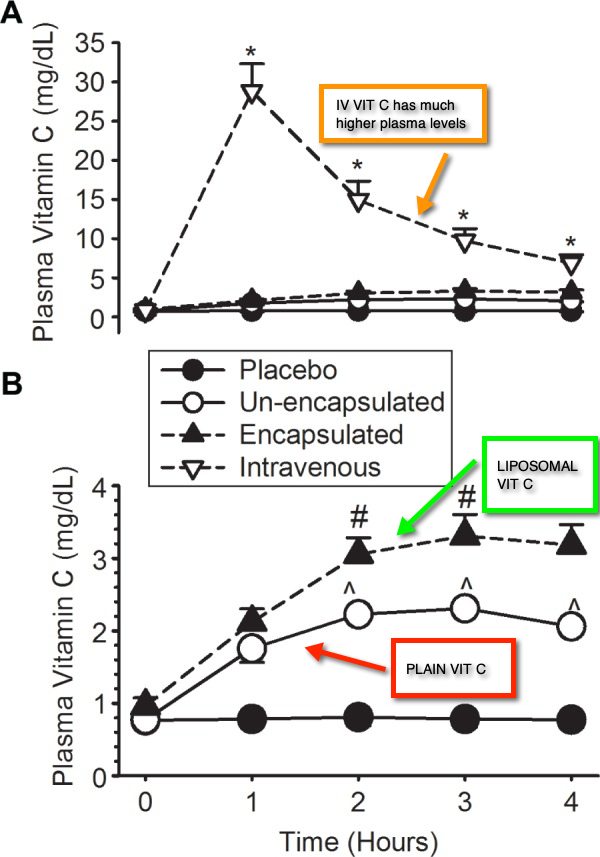
Liposomal vitamin C's bioavailability is only outstripped by intravenous (IV) vitamin C. IV vitamin C which has 100% bioavailability by definition, but is much more invasive, as it requires a needle insertion, a specially trained facility, and 1-3 hours of time for the slow infusion.

High doses of IV vitamin C are used most frequently in conjunction with cancer treatment and provide a pro-oxidant effect which can ONLY be achieved with very high IV doses of vitamin C. The pro-oxidant effect of high dose IV vitamin C is very different than that of low doses of vitamin C which provide anti-oxidant activity.

2. Heart and Brain Health

Vitamin C intake (via diet or supplements) may decrease the risk of cardiovascular disease by about 25%, according to a 2004 analysis published in The American Journal of Clinical Nutrition . ( Source 5 )

Any form of vitamin C supplement improves endothelial function, as well as ejection fraction. ( Source 6 )

Endothelial function involves the contraction and relaxation of blood vessels, enzymatic release to manage blood clotting, immunity, and platelet adhesion. Ejection fraction defines "the percentage of blood that is pumped (or ejected) out of the ventricles" when the heart contracts on every beat.

Together, these results suggest that vitamin C may play an important part in the prevention of cardiovascular disease and the improvement of heart health.

After a stroke or heart attack, it's important to heal the tissues damaged by the lack of oxygen. Once blood flow is restored, the reoxygenation of previously oxygen-deprived cells leads to dtissue damage called "reperfusion injury" which is accompanied by "excessive generation of free radicals". ( Source 7)

When delivered intravenously, vitamin C is a potent antioxidant that can counteract and neutralize free radicals that cause the oxidative stress caused by reperfusion. ( Source 8 )

In one animal study, liposomal vitamin C prevented brain tissue damage from reperfusion when administered before blood flow was restricted. ( Source 9 )

Although blood levels achieved by IV infused vitamin C are much higher than liposomal vitamin C, one study observed that liposomal vitamin C was nearly as effective as IV vitamin C at preventing tissue damage during reperfusion. The research was conducted in 11 subjects who had temporary obstruction of blood flow to their arms blood flow by tourniquet. ( Source 4 )

3. Cancer

Intravenous vitamin C can be used in high doses to fight cancer in tandem with traditional chemotherapy. It may not eradicate cancer on its own, but it can definitely improve the quality of life, increasing energy and mood for many cancer patients.

On a case by case basis, IV vitamin C can even induce regression of cancer. A 2014 review recounts several reports of remission when using IV vitamin C with chemotherapy. ( Source 10 )

However, one should not rely on IV vitamin C to induce remission or treat cancer on it's own, as these cases are isolated at best. Vitamin C can however be a great adjuvant (helper) to traditional cancer treatment.

Liposomal vitamin C has not been specifically tested in human subjects with cancer. Many cancer patients receiving IV vitamin C, however, also use liposomal vitamin C in high doses between IV treatments. After receiving a high dose of IV vitamin C, it is not uncommon for blood levels to drop below normal in the days after the infusion (trough levels). Therefore, it's highly recommended to increase oral intake levels of vitamin C between IV vitamin C infusions especially to prevent low rebound trough plasma levels of vitamin C.

4. Collagen Production

Collagen is the most abundant protein in our bodies, however our own natural collagen production slows around the age of 25. Vitamin C is a cofactor in the enzymes that produce collagen, meaning it is necessary to the function and health of your bones, blood vessels, and joints where collagen abounds. ( Source 11 ). When vitamin C levels run low, such as in times of stress, infection, chronic illness (i.e. diabetes, autoimmune illness which generate high levels of free radicals and oxidative stress), less of it is available for collagen production. Since collagen is the structural protein that holds us together, this can manifest as weaker joints, tendons, blood vessels and connective tissue. More superficially, weaker collagen can manifest as sagging skin with more wrinkles.

5. Oxidative Stress

In general, some level of oxidative stress occurs within every living thing. As a 2006 review puts it:

"There is increasing evidence connecting oxidative stress with a variety of pathological conditions including cancer, cardiovascular diseases, chronic inflammatory disease, post-ischaemic organ injury, diabetes mellitus, xenobiotic/drug toxicity, and rheumatoid arthritis." ( Source 12 )

Vitamin C is a potent antioxidant and is found in generous quantities within the human body. ( Source 13 )

Is liposomal vitamin C truly effective?

There has been a lot of scrutiny of liposomal vitamin C.

One of the most frequently asked questions about liposomal supplements is: Is liposomal vitamin C a "hoax"?

True liposomal or pro-liposomal supplements are non-toxic and can greatly increase your body's ability to absorb the nutrients they incorporate. Because of extensive equipment and technology needed to manufacture them, liposomal supplements tend to be more expensive than conventional vitamin C but they can deliver superior absorption. However there is great variability between products and a little bit of homework and knowledge helps.

How do we know which products are "true" and effective liposomal vitamin C?

As opposed to the term "liposome", the term "liposomal" is unfortunately not well defined. Many products take advantage of this absence of "liposomal" definition.

A "liposome" is a spherical structure made out of a shell formed by phospholipids and surrounded by water.  At the center of a "liposome" is usually a main ingredient, like vitamin C or glutathione, also suspended in water.

"Liposomal" on the other hand does not mean "liposome" — these terms are not one and the same even though they do sound similar. The term liposomal is (sometimes) loosely used to only mean "containing fat". So products containing just fat (lipid) and vitamin C mixed together can sometimes be called "liposomal".

The usual lipid that forms liposomes is a "phospholipid". Phosphatidylcholine is the most abundant phospholipid and is the main building block of cell walls as well as the main constituent of the outer shell of liposomes. However the lipid form that some supplements use is not a phospholipid, and can be simply be in the form of a fatty acid which is not as effective.

Products using fatty acids may be labelled "liposomal" vitamin C but might never result in formed liposomes, even when exposed to water because the vitamin C is simply covalently bound to a fatty acid.

The "Fat Soluble" Vitamin C Ester Myth

A perfect example of a product taking advantage of the "liposomal" term is a type of vitamin C  a  vitamin C ester . Usually labeled as "fat  soluble" vitamin C, esters like Ascorbyl Palmitate are marketed as a "liposomal" but will never result in forming an actual "liposome".

Here are some important facts about "fat soluble" Ascorbyl Palmitate:

  • Ascorbyl palmitate is not found in nature. It is SYNTHETIC, made by combining palmitate (an ester, fat) with vitamin C (Ascorbic Acid).
  • Ascorbyl palmitate is used  as a "FOOD PRESERVATIVE" to extend the shelf life of certain foods, medications, and cosmetics.
  • Ascorbyl Palmitate is also known as "Cetyl Ascorbate"....(two different names for the same compound)
  • Ascorbyl Palmitate is ONLY 42.5% VITAMIN C
  • Products that claim "1600 mg Liposomal Vitamin C" using Ascorbyl Palmitate ONLY PROVIDE 680 mg of actual vitamin C (Ascorbic Acid)

This last point is very important. Because Ascorbyl Palmitate is made by combining vitamin C (Ascorbic Acid) to Palmitate (a fat), less than half of it is true vitamin C ! (source 20, source 21).

Ascorbyl Oleate is another vitamin C ester very similar to the Ascorbyl Palmitate compound, binding Oleate (another fat)  to ascorbic acid.

Ester forms of vitamin C, like Ascorbyl Palmitate, are easily digested after oral ingestion by enzymes in the small intestine which cleave the bond immediately releasing just plain vitamin C (ascorbic acid molecule) and the ester, in this case palmitate, before any absorption can take place.

When this digestion happens, plain vitamin C is released from the ester andno improved absorption occurs when compared to a standard vitamin C supplement. ( source 15, source 16 ). The  bioavailability of fat soluble vitamin C esters is essentially identical to plain vitamin C (Ascorbic Acid) alone. ( Source 18 )

The esters used may even have a negative impact, depending on the ingredient itself.

Unlike natural vitamin C (Ascorbic Acid), Ascorbyl Palmitate may actually be toxic to skin cells damaged by UV exposure according to one study. ( Source 17 )

The bottom line is this: These "Fat Soluble" forms of vitamin C (ascorbyl palmitate, alscorbyl oleate, cetyl ascorbate), are rapidly digested before any absorption takes place, releasing plain vitamin C in your small intestine. Adding to the deception, "Fat Soluble" Vitamin C CONTAINS  LESS THAN HALF actual vitamin C (Ascorbic Acid)!

Unfortunately few people know this, results in unassuming customers paying top dollar for a product that is not much different than a standard vitamin C capsule or powder but has the term "liposomal" attached to it.

Because these forms are inexpensive to make they typically have lower prices, yet they tout very high doses per serving such as 1200-1800 mg of vitamin C.

So, to answer the question: Liposomal vitamin C is not a "hoax", but not all products labeled liposomal vitamin C truly offer the same benefits, especially those selling "Fat Soluble" vitamin C esters.

How to Choose the Best Liposomal Vitamin C Supplement

Several brands offer liposomal vitamin C supplements. Which vitamin liposomal vitamin C supplement is the best?

There are two basic types of liposomal supplements that have to do with "liposome" formation. The first is an already formed liposome vitamin C and, while the other is a pro-liposome. A pro-liposome is chemically bound vitamin C and contains phospholipids in a manner which will result in a liposome formation in the presence of water at body temperature.

The simplest way to tell if a product is a formed liposome is if the ingredients include water. If water is in the ingredients, you are likely dealing with formed liposomes. If not, you are looking at a pro-liposome. Make sure however that both contain phospholipids like phosphatidylcholine (derived from lecithin).

A pro-liposome has the potential to become a liposome when exposed to water, forcing the phospholipids to immediately congregate by natural hydrophobic forces into a bi-layer as described above.

In the form of a pro-liposomal powder, the vitamin C is surrounded (conjugated) by a layer of phospholipids and other fats in a special technical process that can greatly vary in effectiveness. How well this proprietary process of binding the lipids to the vitamin C occurs is key, because if the lipids and the vitamin C are only mixed together (not bound), the formation of liposomes with vitamin C inside will be sporadic at best as the vitamin C can just disperse away separately from the lipids.

Liquid pro-liposomes use lipids (fats) and vitamin C. Based on proprietary manufacturing techniques, these lipids will form liposomes around the main ingredient when they are exposed to water and correct temperature conditions, as are found the environment of the small intestine.

The newly formed liposomes can then be absorbed by the intestinal walls, delivered to and processed by the liver, and released into systemic circulation.

To reiterate: all "liposome" formulations (formed liposomes and pro-liposomes) utilize phospholipids, phosphatidylcholine, lecithin as the fatty agent to form liposomes.

Unfortunately, many vitamin C supplements labeled "liposomal" are, in fact, unable to hold the lipid ingredient and vitamin C together when exposed to water in the small intestine.

Make sure the vitamin C is well-sourced. A good liposomal vitamin C supplement should be non-GMO and preferably use phospholipids derived from sunflower lecithin.

Some customers even insist on knowing that the origin of vitamin C is non-Chinese, but this is a personal preference.

If this is important to you, then look for Quali-C brand vitamin C sourced and made in Scotland from non-GMO European origin corn.

Obviously a  liposomal vitamin C that also offers a satisfaction guarantee with a full refund is a major plus.

To summarize: Avoid the gimmicks and purchase a high-quality liposomal supplement by following these steps:

  1. Choose a formed liposomal or a well made pro-liposomal supplement that contains vitamin C and a phospholipids like phosphatidylcholine. Avoid vitamin C esters "lipid soluble" vitamin C like include ascorbyl palmitate, ascorbyl oleate, or cetyl ascorbate as they may offer little if any advantage over regular vitamin C
  2. Look for the source of vitamin C. While most brand use Chinese vitamin C, Quali-C is a brand of vitamin C manufactured in Scotland using non-GMO European sourced corn
  3. Ensure the supplement is non-GMO and soy-, gluten-, and dairy free.

Dosage of Liposomal Vitamin C

The National Institute of Health advises men and women to never take more than 2,000 milligrams of vitamin C dietary supplement each day.

For specific health issues, a higher dose may be warranted. The Linus Pauling Center recommends a dose of 2,000 milligrams per day, which is generally very safe and can account for the poorer absorption capacity in some individuals. People who may benefit most from this high dose include the elderly and smokers, who also have an increased need for vitamin C.

Generally, 1000-2000 mg/day should afford you the general health benefits of vitamin C:

  • Immunity
  • Brain health
  • Collagen production
  • Cardiovascular protection
  • Energy production
  • Increased antioxidant presence

4,000 milligrams of liposomal vitamin C has been used to protect against the oxidative damage that can happen post-heart attack or stroke due to reperfusion.

While these results are very promising, I suggest stying at around the 2,000 milligram threshold as a daily maintenance dose, unless a healthcare practitioner advises you to take a higher amount, or you have increased levels of oxidative stress from chronic illness or acute infection which require higher doses.

Liposomal Vitamin C Side Effects:

Although a high dose of vitamin C may not technically be "toxic", it may cause side effects like nausea or diarrhea.

Drug Interactions

Vitamin C interacts with certain drugs or nutrients.

ADD and ADHD medications utilize amphetamines. Vitamin C may weaken the effect of amphetamine-based drugs by limiting their effect, although this result has not been reproduced in human subjects. ( Source 19 )

In Summary

  • Liposomal vitamin C is a revolutionary approach to introducing vitamin C into your system.
  • Liposomes use a phospholipid bilayer formed around water and, in this case, vitamin C. The outer casing protects the nutrient inside from damage that might otherwise occur during normal digestion.
  • The absorption of liposomal vitamin C is significantly higher than that of a standard vitamin C supplement.
  • Benefits of liposomal vitamin C include increased bioavailability, cardiovascular support, skin health, improved collagen production, and reduced oxidative stress throughout the body.
  • While many supplements are labeled as "liposomal," some of these use esters of vitamin C (ascorbyl palmitate, ascorbyl oleate, and/or cetyl ascorbate) that do not actually increase the bioavailability of vitamin C and are not going to result in formation of a liposome.
  • Standard doses of vitamin C are between 200-1,000 mg/day.  We recommend 2000 mg per day for most adults.
Sources

  1. Yung, S., Mayersohn, M., & Robinson, J. B. (1982). Ascorbic acid absorption in humans: a comparison among several dosage forms. Journal of pharmaceutical sciences, 71 (3), 282-285. Abstract: https://www.ncbi.nlm.nih.gov/pubmed/7069582
  2. National Institutes of Health: Office of Dietary Supplements. (2018). Vitamin C: Fact Sheet for Health Professionals. Retrieved from: https://ods.od.nih.gov/factsheets/VitaminC-HealthProfessional/
  3. Rivas, C. I., Zuniga, F. A., Salas-Burgos, A., Mardones, L., Ormazabal, V., & Vera, J. C. (2008). Vitamin C transporters. Journal of physiology and biochemistry, 64 (4), 357-375. Abstract: https://www.ncbi.nlm.nih.gov/pubmed/19391462
  4. Davis, J. L., Paris, H. L., Beals, J. W., Binns, S. E., Giordano, G. R., Scalzo, R. L., ... & Bell, C. (2016). Liposomal-encapsulated ascorbic acid: Influence on vitamin C bioavailability and capacity to protect against ischemia–reperfusion injury. Nutrition and metabolic insights , 9 , NMI-S39764. Full text: https://www.ncbi.nlm.nih.gov/pmc/articles/PMC4915787/
  5. Knekt, P., Ritz, J., Pereira, M. A., O'Reilly, E. J., Augustsson, K., Fraser, G. E., ... & Pietinen, P. (2004). Antioxidant vitamins and coronary heart disease risk: a pooled analysis of 9 cohorts. The American journal of clinical nutrition , 80 (6), 1508-1520. Abstract: https://www.ncbi.nlm.nih.gov/pubmed/15585762
  6. Ashor, A. W., Lara, J., Mathers, J. C., & Siervo, M. (2014). Effect of vitamin C on endothelial function in health and disease: a systematic review and meta-analysis of randomised controlled trials. Atherosclerosis , 235 (1), 9-20. Abstract: https://www.ncbi.nlm.nih.gov/pubmed/24792921
  7. Nour, M., Scalzo, F., & Liebeskind, D. S. (2012). Ischemia-reperfusion injury in stroke. Interventional neurology , 1 (3-4), 185-199. Full text: https://www.ncbi.nlm.nih.gov/pmc/articles/PMC4031777/
  8. Spoelstra-de Man, A. M., Elbers, P. W., & Oudemans-van Straaten, H. M. (2018). Making sense of early high-dose intravenous vitamin C in ischemia/reperfusion injury. Critical Care, 22 (1), 70. Full text: https://www.ncbi.nlm.nih.gov/pmc/articles/PMC5861638/
  9. Sinha, J., Das, N., & Basu, M. K. (2001). Liposomal antioxidants in combating ischemia-reperfusion injury in rat brain. Biomedicine & pharmacotherapy , 55 (5), 264-271. Abstract: https://www.ncbi.nlm.nih.gov/pubmed/11428552
  10. Fritz, H., Flower, G., Weeks, L., Cooley, K., Callachan, M., McGowan, J., ... & Seely, D. (2014). Intravenous vitamin C and cancer: a systematic review. Integrative cancer therapies , 13 (4), 280-300. Abstract: https://www.ncbi.nlm.nih.gov/pubmed/24867961
  11. Pullar, J., Carr, A., & Vissers, M. (2017). The roles of vitamin C in skin health. Nutrients , 9 (8), 866. Full text: https://www.ncbi.nlm.nih.gov/pmc/articles/PMC5579659/
  12. Suntres, Z. E., & Omri, A. (2006). The role of liposomal antioxidants in oxidative stress. In Nanocarrier Technologies (pp. 191-205). Springer, Dordrecht. Full text:
  13. Figueroa-Méndez, R., & Rivas-Arancibia, S. (2015). Vitamin C in health and disease: its role in the metabolism of cells and redox state in the brain. Frontiers in physiology , 6 , 397. Full text: https://www.ncbi.nlm.nih.gov/pmc/articles/PMC4688356/
  14. Meves, A., Stock, S. N., Beyerle, A., Pittelkow, M. R., & Peus, D. (2002). Vitamin C derivative ascorbyl palmitate promotes ultraviolet-B-induced lipid peroxidation and cytotoxicity in keratinocytes. Journal of investigative dermatology, 119 (5), 1103-1108. Abstract: https://www.ncbi.nlm.nih.gov/pubmed/12445199
  15. Dr. Weil: Time for a change? https://www.drweil.com/vitamins-supplements-herbs/vitamins/vitamin-c-time-for-a-change/
  16. The Linus Pauling Institute: The Bioavailability of Different Forms of Vitamin C: https://lpi.oregonstate.edu/mic/vitamins/vitamin-C/supplemental-forms
  17. De Ritter, E., Cohen, N., & Rubin, S. H. (1951). Physiological availability of dehydro-L-ascorbic acid and palmitoyl-L-ascorbic acid. Science, 113 (2944), 628-631. Abstract: https://www.cabdirect.org/cabdirect/abstract/19511402702
  18. Cadeau, C., Fournier, A., Mesrine, S., Clavel-Chapelon, F., Fagherazzi, G., & Boutron-Ruault, M.C. (2016). Vitamin C supplement intake and postmenopausal breast cancer risk: interaction with dietary vitamin C. American Journal of Clinical Nutrition , 104 (1), 228-234. Abstract: https://www.ncbi.nlm.nih.gov/pubmed/27194303
  19. Kiely, M.E., Lal, S., & Nair, N.P. (1987). Effect of ascorbic acid on brain amphetamine concentrations in the rat. Progress in neuro-psychopharmacology & biological psychiatry, 11 (2-3), 287-290. Abstract: https://www.ncbi.nlm.nih.gov/pubmed/3628833
  20. Cambridge Commodities - What is the Percentage of Vitamin C in Ascorbyl Palmitate?   https://www.cambridgecommodities.com/ingredients/ingredient-view,ascorbyl-palmitate_2091.htm
  21. PubChem - Ascorbyl Palmitate - https://pubchem.ncbi.nlm.nih.gov/compound/Ascorbyl-palmitate

Fat Soluble Vitamin C Supplement

Source: https://coremedscience.com/blogs/wellness/how-to-pick-the-best-liposomal-vitamin-c

Share:

Dr Eve_Ryouth Vitamin C Hyaluronic Acid

Dr Eve_Ryouth Vitamin C Hyaluronic Acid

Style

These Are The 6 Best Vitamin C Serums For Brighter, Clearer Skin

Amazon/Bustle

There's never a bad time to amp up your skin care regimen's sun protection defenses. Whether you're looking to keep your skin safe from future signs of sun damage or help reduce the appearance of damage that's already been done (aka sun spots), incorporating one of the best vitamin C serums into your beauty routine can help.

In an ingredients list, you'll most likely find vitamin C listed as l-ascorbic acid, which experts agree is the most effective form of vitamin C, along with tetrahexyldecyl ascorbate. You'll also want to pay attention to the concentration level of the vitamin C, as something between 10 and 20 percent is said to be the most stable, and therefore, the most effective when it comes to protecting the skin and improving its overall tone and texture.

While you can certainly apply your vitamin C serum at night, to reap its full sun-protecting benefits, apply it in the morning after cleansing, and before you moisturize and layer on your SPF (which, yes, you still need to wear). You'll also want to be careful about using your vitamin C serum after any cleansers, treatments, or moisturizers that contain salicylic acid, glycolic acid, or retinol, as this can heighten common side effects that come with these ingredients, like burning and redness (especially if you have sensitive skin).

It's also worth noting that vitamin C is a delicate ingredient because it degrades from sun exposure. Because of this, you'll want to store your serum away from the sunlight and be on the lookout for any changes in its color, texture, or smell. A serum packaged in a darker bottle is also ideal, as it helps minimize the product's exposure to sunlight.

Ahead, you'll find six of the best vitamin C serums that are all Amazon user-approved to brighten, protect, and firm your skin.

1

The Best Serum For Vitamin C Newbies

This K-beauty favorite serum contains a mild dose of 5 percent vitamin C to allow your skin to accustom itself with the active ingredient. While that's still enough to notice the brightening and skin tone-evening benefits, the smaller percentage means its also gentler and less likely to irritate skin. Reviewers love its lightweight texture and say a little goes a long way, so you only need a couple of drops. Some have even had luck with using it on their bodies to help fade unwanted scars.

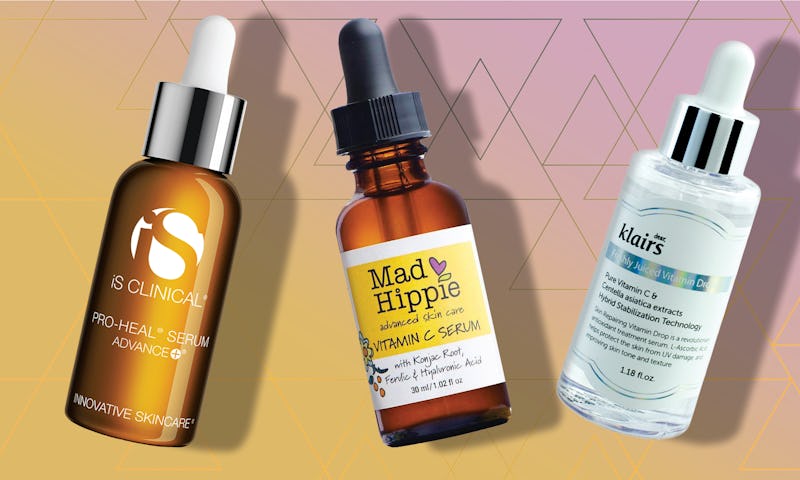
Klairs Freshly Juiced Vitamin C Serum is also an Amazon-user favorite with hundreds of five-star reviews. "I used this product for a few months and then switched to one with a higher percentage of Vitamin C only to find that it didn't work nearly as well," writes one reviewer. "I'm back to using Klairs and am so impressed by the positive change I see in my skin when I use it — it's brighter, smoother, and more even — even though it's a mild product."

The only downside with this serum is that, since it comes in a clear bottle, you'll want to be extra careful with storing it somewhere away from the sun.

2

The Best Vitamin C Serum For Sensitive Skin

If you have sensitive skin, you might have luck with the low-concentration Klairs option, above. But it does contain a few ingredients that some particularly sensitive skin types negatively react to, like propylene glycol. For a super safe, all natural pick, try this all-natural pick from Mad Hippie. It uses vitamin C in the form of sodium ascorbyl phosphate, which is said to cause less irritation and reduce the risk of oxidation. Mad Hippie formulated this serum with other complementary ingredients, like vitamin E and ferulic acid, which both improve and protect the skin from damaging free radicals. And ferulic acid also helps stabilize both vitamins C and E, so that they're even more effective. To keep skin moisturized, hyaluronic acid is included in the formula, while konjac root and chamomile extract work to protect and soothe the skin. There's also a dose of clary sage, which acts as a natural toner and astringent.

"I have very sensitive skin and normally I cannot use vitamin C serums at all," writes a reviewer. "This one does not sting or burn at all." Another user notes, "Within a week or so, I saw a smoother texture to my skin. By the end of the bottle, my skin looked smoother, brighter, and three darker spots on my face [from sun damage] were at least 80 percent lighter."

3

A Vitamin C Serum That Produces An Instant Glow

Yes, all vitamin C serums brighten the skin with continued use, but The Body Shop Vitamin C Skin Boost Instant Smoother also leaves skin glowing directly after you apply it, thanks to the tiny mineral glowing particles it contains. Long-term brightening, protecting, and collagen-boosting effects come from ascorbic acid and the vitamin C-packed camu camu berries that The Body Shop has hand harvested by local collectors on the riverbanks of the Amazon River. Vitamin E provides the skin with more protection against environmental aggressors as it softens, and Community Fair Trade Brazil nut oil further moisturizes the skin. Additionally, dimethicone and glycerin give the serum a smooth texture that helps to blur pores and even out skin tone, making this a great primer, too.

4

The Best Vitamin C Serum For Acne-Prone Skin

This serum might be a bit of a splurge, but its powerful formula means serious results. The brand works with a team of assorted experts to develop each product, including geneticists, biologists, and physicians. For their iS Clinical Pro-Heal Serum Advance+, they developed a vitamin C combo that works for all skin types, including acne-prone. Time-released vitamin C means prolonged antioxidant protection, while vitamins E and A contribute even more antioxidant benefits. iS Clinical included inflammation-reducing zinc sulfate, blemish-preventing kojic acid, and nourishing olive leaf extract to combat signs of acne while helping to prevent future breakouts.

5

The Best Drugstore Vitamin C Serum

For a more affordable option, e.l.f's Beauty Shield Vitamin C Pollution Prevention Serum costs less than $20. Despite its low price, the serum still contains your vitamin C, as well as vitamin E and pomegranate extract, which provides even more vitamin C benefits. You'll also notice glycerin and hyaluronic acid on the ingredients list to leave the skin smooth and moisturized. It's even cruelty-free and vegan, and formulated without parabens, sulfates, or phthalates.

6

The Best Vitamin C Booster Powder

If you're into DIY beauty (or you just want to customize your vitamin C application), a vitamin C booster powder, like the Resurrection Beauty L-Ascorbic Acid Powder, is the perfect choice. This jar solely contains vitamin C in the form of l-ascorbic acid, which is meant to be dissolved in water or witch hazel before being added into your favorite hydrating serum. It can even be added to your nightly moisturizer, sunscreen, or body lotion. Because you're mixing this yourself, you can start with a lower concentration of vitamin C, like 5 percent, and work your way up to 20 percent (the maximum amount recommended) as your skin learns to tolerate it.

Many Amazon reviewers share the different ways they use this powder to make custom treatments. "How terrific to find cosmetic grade vitamin C to make my own solution," one raves. "All skin care experts claim this is the best for anti-aging, however very unstable. This fixes the problem and at an reasonable price. I just mix small batches to last for a week. And in just a few weeks I can see the difference in my skin." Another recommends mixing it with aloe-vera for a skin-soothing and brightening mask.

Bustle may receive a portion of sales from products purchased from this article, which was created independently from Bustle's editorial and sales departments.

Dr Eve_Ryouth Vitamin C Hyaluronic Acid

Source: https://www.bustle.com/p/the-6-best-vitamin-c-serums-16980515

Share:

Does Pineapple Have More Vitamin C Than Oranges

Does Pineapple Have More Vitamin C Than Oranges

A Guide to Vitamin C Serums

leonori/Shutterstock

For 70 years Vitamin C has been one of the biggest weapons in the skin care industry. It's used to make cleansers, moisturizers, lotions, masks, and serums. So what is this powerful vitamin? How can it benefit you? Why should you use serums that contain Vitamin C? We're here to answer all of those burning questions in this complete guide and reveal the many benefits Vitamin C serums offer for your skin.

What Are Vitamin C Serums?

There are many variations of Vitamin C, but the most popular is ascorbic acid, a common ingredient in skincare products. However, all the variations of Vitamin C have anti-inflammatory benefits.

Vitamin C Serums are products that contain a high level of Vitamin C. They're used to treat wrinkles, sagging skin, lighten dark or red spots, prevent breakouts and even your skin tone. Basically, they battle all of those annoying skin issues. There are loads of products out there that claim they'll save your skin, but some can cause damage. Vitamin C is one of the most revered ingredients and conclusive research has shown how effective it can be.

How Are Vitamin C Serums Made?

Well so far we've talked about how incredible Vitamin C is and it sounds like a dream come true doesn't it? It's not all good. In fact, the mighty vitamin is unstable when it's exposed to air and light. Other ingredients need to be used to stabilize it and allow it to deliver amazing results. The serums are combined with ferulic acid and Vitamin E. According to researchers the perfect mixture is 15% Vitamin C with 1% Vitamin E and 0.5% ferulic acid. This makes Vitamin C perform to the best of its abilities, without damaging your skin.

What Does Vitamin C Serum Do for Your Face?

Boosts Collagen Production: Collagen keeps your skin firm and prevents sagging. Environmental factors such as lifestyle choices and pollution can increase the elasticity of your skin, so it's important you try to increase your collagen production.

Hydrates Your Skin: Dry skin is a common issue, but Vitamin C can help to give your skin that much-needed moisture boost. Remember, it doesn't work immediately so you need to keep applying the serum to see results.

Brightens Your Complexion: Dark spots on your skin are caused by the overproduction of melanin. Vitamin C decreases the production and lightens the dark spots to even out your complexion.

Reduces Redness and Inflammation: Conditions such as Rosacea leave many people searching for a magic cure. Vitamin C helps facial redness and inflammation by reducing the appearance of broken capillaries.

Why Should You Be Using Vitamin C Serum?

Don't think Vitamin C serums are just beneficial for your face. They can also shield you from sun damage and reduce stretch marks.

Saves You From The Sun: Prolonged exposure to UV rays can cause long-term damage to your skin. Luckily, Vitamin C is a powerful antioxidant that reduces red sports and prevents sunburn from spreading.

Fades Acne Scars: Acne plagues most of us at some point and we look forward to being free. Most of us get stuck with some scars but Vitamin C helps to fade scars and even out any discoloration.

Reduces Stretch Marks: Yes, Vitamin C serum can even help prevent those unsightly stretch marks by tightening your skin.

Are you ready to change your skin? Add a Vitamin C serum to your beauty regimen and enjoy a glowing complexion.

Does Pineapple Have More Vitamin C Than Oranges

Source: https://www.bloglines.com/article/a-guide-to-vitamin-c-serums?utm_content=params%3Ao%3D740010%26ad%3DdirN%26qo%3DserpIndex

Share:

Blackmores Vitamin C 1000 Echinacea Zinc Effervescent

Blackmores Vitamin C 1000 Echinacea Zinc Effervescent

Researchers in the United Kingdom say a study on eyesight shows diet and environmental factors are more important than genetics in lowering risk of cataracts.

Eating an apple a day may keep the doctor away, but eating oranges might do the same for cataracts.

In a study published today in the journal Ophthalmology, researchers in the United Kingdom said a higher dietary intake of vitamin C might significantly reduce the risk of developing cataracts.

The study, led by scientists at King's College London, is the first to conclude that dietary and environmental factors play a larger role than genetics in the development of cataracts.

"The findings of this study could have significant impact, particularly for the aging population globally by suggesting that simple dietary changes such as increased intake of fruits and vegetables as part of a healthier diet could help protect them from cataracts," Dr. Chris Hammond, professor of ophthalmology at King's College, consultant eye surgeon and lead author of the study, said in a statement.

Read More: What Is a Cataract? »

The researchers estimated genetic factors account for 35 percent of the difference in cataract progression. Environment and lifestyle account for 65 percent.

To study the impact diet has on cataracts, the researchers tracked the progression of the eye condition in 324 pairs of female twins from the United Kingdom.

The scientists examined digital images of the women's eye lenses when they were about 60 years old. They then studied the same type of images 10 years later.

They kept track of the women's intake of vitamins A, B, C, D, and E. They also tracked their intake of copper, manganese, and zinc using a food questionnaire.

The researchers said the women who ingested more vitamin C initially had a 20 percent reduced risk of developing cataracts. After 10 years, that risk had decreased by 33 percent.

The researchers noted that there was little risk reduction in the women who took vitamin supplements. Instead the preventative effects appeared to be obtained only by eating foods rich in vitamin C.

Dr. Ravi D. Goel, an ophthalmologist from New Jersey who is also a clinical instructor at Wills Eye Hospital in Pennsylvania, said the study provides helpful information for patients and doctors.

"These are novel findings for patients going forward," Goel, a spokesperson for the American Academy of Ophthalmology, told Healthline. "This is a helpful tool for patient education."

Read More: Americans Spend Billions on Vitamins and Supplements That Don't Work »

Cataracts occur when the lens of the eye becomes cloudy due to oxidation over a long period of time.

The researchers said the fluids that bathe the eye are rich in vitamin C, which helps stop the lens from oxidizing.

The dietary intake of vitamin C helps prevent cataracts by increasing the amount of this vitamin in the eye fluid.

The researchers added that smoking and diabetes also are risk factors for certain kinds of cataracts, so a balanced diet and healthy lifestyle are important.

"Healthy diets are always an advantage for patients," added Goel.

Goel also said vitamin C has already been shown to help slow the progression of age-related macular degeneration.

This latest information on cataracts adds to vitamin C's attributes. "It helps overall eye health," he said.

The researchers did note that their observational study has its limitations as it only involved women who were aged 60 years and older.

However, the researchers believe the information could also be relevant for male patients.

Cataracts are the leading cause of blindness in the world, affecting about 20 million people, according to statistics from the World Health Organization (WHO). Cataracts also affect 24 million Americans over the age of 40.

The condition can cause blurry vision, glare, poor night vision, and sensitivity to light.

Initially, better lighting and glasses may help ease some of the symptoms, but as cataracts progress surgery is sometimes needed.

Read More: Diabetes and Blurry Vision: What You Need to Know »

Blackmores Vitamin C 1000 Echinacea Zinc Effervescent

Source: https://www.healthline.com/health-news/vitamin-c-may-reduce-risk-of-cataracts

Share:

B Complex Forte With Vitamin C Price

B Complex Forte With Vitamin C Price

Photo Courtesy: Flashpop/DigitalVision//Getty Images

Whether in the form of a fizzy drink or flavored lozenges, cold and flu preventative supplements almost always highlight vitamin C as one of their key ingredients. So, what's so magical about vitamin C? Also known as ascorbic acid, vitamin C is critical to living healthily. Since the human body cannot spontaneously generate this nutrient, vitamin C must instead be absorbed from outside sources, such as vitamin supplements or foods that are naturally rich in it.

Commonly found in cold and flu preventative supplements, vitamin C strengthens and speeds up immune system functionality. Though research does not indicate that vitamin C intake alone can prevent the onset of cold or flu, adequate daily intake may shorten the duration of an infection or lessen the severity of symptoms.

Photo Courtesy: Catherine Falls Commercial/Moment/Getty Images

Vitamin C is crucial for the maintenance of well being. For example, it plays a role in wound healing and helps maintain many essential body tissues. It also acts as a potent antioxidant and can repair damage from free radicals, which are linked to aging effects, and disease vulnerability. Additionally, vitamin C can also prevent anemia, since it helps the body increase absorption of dietary iron, another vital mineral that the body cannot spontaneously create.

Foods that contain high concentrations of vitamin C have been linked with a lower risk of cardiovascular disease, like heart attack and stroke. Vitamin C can also increase levels of nitric oxide, a compound that widens blood vessels and, in turn, lowers blood pressure. In addition, regular intake of vitamin C, along with other vitamins, has been linked to a decreased risk for developing age-related cataracts, a leading cause of visual impairment in the United States.

Common Sources of Vitamin C

Vitamin C can be easily obtained through the many different foods, including:

Photo Courtesy: Akaradech Pramoonsin/Moment/Getty Images
  • Citrus fruits and juices (orange, grapefruit, lemon, lime and tangerine)
  • Berries
  • Melons
  • Mangoes
  • Kiwi
  • Tomato
  • Broccoli
  • Red peppers
  • Spinach
  • Squash
  • Potatoes

Cooking these foods may result in the loss of some of the vitamin content, so it is ideal to ingest them raw, either whole or juiced. Nowadays, there are also numerous packaged food products, like cereals, that have been enriched and fortified with vitamin C, so that the nutrient can be easily obtained.

Vitamin C may also be labeled as "L-ascorbic acid" in supplement form, and most over-the-counter multivitamins contain the recommended daily amount of the vitamin. While it is a good source when an individual is in need of a vitamin C boost, supplements are not meant to replace a diet rich in naturally derived vitamin C.

What Happens When You Have Too Much — or Too Little — Vitamin C?

Vitamin C is a water-soluble vitamin that can be easily flushed out of the body via urination when it is not needed. Therefore, if the main source of vitamin C is from naturally occurring foods, it is near-impossible for excess vitamin C to produce side effects. However, taking excessive concentrated vitamin C supplements may lead to diarrhea or stomach upset.

Photo Courtesy: Violeta Stoimenova/E+/Getty Images

Since vitamin C-rich foods are so readily available nowadays, symptoms of inadequate vitamin C intake are also rare in the United States. However, malnourished individuals can experience symptoms of vitamin C deficiency over time, including:

  • Weakness
  • Fatigue
  • Anemia
  • Easy bruising
  • Joint pain
  • Skin breakdown
  • Weakened tooth enamel
  • Gum inflammation

Severe vitamin C deficiency is referred to as scurvy. Scurvy can be easily treated with increased dietary or supplemental vitamin C. Since vitamin C is crucial in the detoxification of the body, a lack of vitamin C can compromise the immune system and make an individual more susceptible to diseases and infections. Individuals with insufficient vitamin C may find that it takes longer than usual to recover from a cold or a physical wound.

Daily Dosage Recommendations:

The daily dosage recommendation for vitamin C is different for everyone, depending on factors such as gender, age, lifestyle and current health condition. The recommended daily dosage for vitamin C is at least 75 mg daily for women and 90 mg for men. Since people who are pregnant, breast feeding, smoking or using oral contraceptives have a lower blood level of vitamin C than others, larger doses of vitamin C may be needed to achieve optimal results in these individuals. Those who have prior or current medical conditions may also require bigger or smaller dosage levels, as recommended by their healthcare providers.

Resource Links:

  • "Vitamin C" via MedlinePlus
  • "Vitamin C and Infections" via MDPI
  • "Extra Dose of Vitamin C Based on a Daily Supplementation Shortens the Common Cold: A Meta-Analysis of 9 Randomized Controlled Trials" via Hindawi, BioMed Research International
  • "Vitamin C" via National Institutes of Health
  • "Scurvy" via U.S. Department of Health & Human Services, National Institutes of Health
  • "Dietary intake and blood concentrations of antioxidants and the risk of cardiovascular disease, total cancer, and all-cause mortality: a systematic review and dose-response meta-analysis of prospective studies" via The American Journal of Clinical Nutrition
  • "Dietary vitamin and carotenoid intake and risk of age-related cataract" via The American Journal of Clinical Nutrition
  • "Cardiovascular System" via Department of Anatomy, Seoul National University College of Medicine (via Springer)

MORE FROM SYMPTOMFIND.COM

B Complex Forte With Vitamin C Price

Source: https://www.symptomfind.com/health/vitamin-c-everything-you-need-to-know?utm_content=params%3Ao%3D740013%26ad%3DdirN%26qo%3DserpIndex

Share:

Adore Vitamin C

Adore Vitamin C

Photo Courtesy: Dougal Waters/DigitalVision/Getty Images

Vitamin E is a compound that plays many important roles in your body and provides multiple health benefits. In order to maintain healthy levels of vitamin E, you need to ingest it through food or consume it as an oral supplement. Read on to find out which foods are recommended sources of this essential nutrient, along with other basics to know about vitamin E.

Vitamin E is classified as an antioxidant. This means that vitamin E helps to destroy harmful compounds called free radicals that can build up in your body. Free radicals cause damage to cells through oxidative stress, and they've been linked to aging and health problems such as cancer and heart disease. Getting enough vitamin E on a daily basis may help to combat these conditions by protecting the outer membranes of your cells from free radical damage.

Photo Courtesy: Leren Lu/Photodisc/Getty Images

Vitamin E also plays an important role in your immune system and your body's ability to fight infection. At certain doses, vitamin E has been shown to stimulate the function of T cells — a type of cell that responds to pathogens that cause disease. Recent studies have shown that increasing your vitamin E intake may correlate with a stronger immune response and greater resistance to infection.

Vitamin E is present in the following whole foods:

  • Wheat germ
  • Almonds
  • Plant oils (vegetable, sunflower, grapeseed, etc.)
  • Sunflower seeds
  • Peanut butter
  • Spinach
  • Broccoli
  • Kiwi
  • Mango

Daily Dosage Recommendations

As people age, their daily dosage recommendation for vitamin E increases. For these standard recommended daily doses, a healthy balanced diet is usually sufficient for getting the required amount of vitamin E:

Photo Courtesy: skynesher/E+/Getty Images
  • Birth to 6 months: 4 milligrams (mg)/day
  • 1 to 12 months: 5 mg/day
  • 1 to 3 years: 6mg/day
  • 4 to 8 years: 7mg/day
  • 9 to 13 years: 11mg/day
  • 14+ years, including adults and seniors: 15mg/day

A person's age, gender and health conditions can help determine their recommended daily dose of vitamin E. Always consult a healthcare professional before altering your intake of vitamin E from the recommended daily dosage.

Taking Vitamin E Supplements

If it becomes necessary, such as if you become deficient in vitamin E, your doctor may advise you to start taking vitamin E supplements. Vitamin E supplements may come with some minor side effects if you take more than the recommended daily amount or if you combine these supplements with certain medications.

Photo Courtesy: Moyo Studio/E+/Getty Images

For example, vitamin E may increase the risk of bleeding if you take it with anticoagulants (also called blood thinners) like warfarin. Other medications, like chemotherapy drugs and cholesterol-lowering drugs, have potential harmful interactions when combined with vitamin E supplements. Talk to a healthcare professional before introducing daily vitamin E supplements, and be sure to discuss current medications you're taking.

Signs of a Vitamin E Deficiency

Because most people are able to get a sufficient amount of vitamin E through their normal daily diet, vitamin E deficiency is rare and typically related to an underlying health issue. For example, because vitamin E is a fat-soluble nutrient, there's a risk for vitamin E deficiency in people whose bodies are unable to absorb fat properly. Premature infants may also become deficient in vitamin E.

Photo Courtesy: LaylaBird/E+/Getty Images

When vitamin E deficiency does occur, these are some of its common symptoms:

  • Muscle weakness
  • Unsteady gait
  • Nerve pain or numbness
  • Impaired vision

Vitamin E deficiency can be detected with a blood test. It typically resolves with minor changes in your diet or the addition of vitamin E supplements. It's important to address any out-of-range vitamin E levels with your doctor. Chronic deficiencies may prevent your immune system from functioning normally.

Resource Links:

https://ods.od.nih.gov/factsheets/VitaminE-HealthProfessional/

https://medlineplus.gov/vitamine.html

https://reader.elsevier.com/reader/sd/pii/S0032579119309897?token=FECB039E3D3637A000648C32AE675FBC7DC9866130E4593853DCEBEFE0BEDCF4C0CA144BFF3E8EB55E81DF3922EB0743

https://www.mdpi.com/2072-6643/10/11/1614/htm

https://iubmb.onlinelibrary.wiley.com/doi/epdf/10.1002/iub.1976

MORE FROM SYMPTOMFIND.COM

Adore Vitamin C

Source: https://www.symptomfind.com/health/vitamin-e-nutrition-basics?utm_content=params%3Ao%3D740013%26ad%3DdirN%26qo%3DserpIndex

Share:

Vitamin C For Epilepsy

Vitamin C For Epilepsy

Epilepsy Res. Author manuscript; available in PMC 2016 Feb 1.

Published in final edited form as:

PMCID: PMC4306812

NIHMSID: NIHMS645521

Low brain ascorbic acid increases susceptibility to seizures in mouse models of decreased brain ascorbic acid transport and Alzheimer's disease

Timothy A Warner

aDepartment of Neurology, Vanderbilt University Medical Center, Nashville, Tennessee, 37232, USA

Jing-Qiong Kang

aDepartment of Neurology, Vanderbilt University Medical Center, Nashville, Tennessee, 37232, USA

John A Kennard

bDivision of Diabetes, Endocrinology & Metabolism, Department of Medicine, Vanderbilt University Medical Center, Nashville, Tennessee, 37232, USA

Fiona E Harrison

bDivision of Diabetes, Endocrinology & Metabolism, Department of Medicine, Vanderbilt University Medical Center, Nashville, Tennessee, 37232, USA

Abstract

Seizures are a known co-occurring symptom of Alzheimer's disease, and they can accelerate cognitive and neuropathological dysfunction. Sub-optimal vitamin C (ascorbic acid) deficiency, that is low levels that do not lead the sufferer to present with clinical signs of scurvy (e.g. lethargy, hemorrhage, hyperkeratosis), are easily obtainable with insufficient dietary intake, and may contribute to the oxidative stress environment of both Alzheimer's disease and epilepsy. The purpose of this study was to test whether mice that have diminished brain ascorbic acid in addition to carrying human Alzheimer's disease mutations in the amyloid precursor protein (APP) and presenilin 1 (PSEN1) genes, had altered electrical activity in the brain (electroencephalography; EEG), and were more susceptible to pharmacologically-induced seizures. Brain ascorbic acid was decreased in APP/PSEN1 mice by crossing them with sodium vitamin C transporter 2 (SVCT2) heterozygous knockout mice. These mice have an approximately 30% decrease in brain ascorbic acid due to lower levels of SVCT2 that supplies the brain with ASC. SVCT2+/−APP/PSEN1 mice had decreased ascorbic acid and increased oxidative stress in brain, increased mortality, faster seizure onset latency following treatment with kainic acid (10 mg/kg i.p.), and more ictal events following pentylenetetrazol (50 mg/kg i.p.) treatment. Furthermore, we report the entirely novel phenomenon that ascorbic acid deficiency alone increased the severity of kainic acid- and pentylenetetrazol-induced seizures. These data suggest that avoiding ascorbic acid deficiency may be particularly important in populations at increased risk for epilepsy and seizures, such as Alzheimer's disease.

Keywords: Alzheimer's disease, mouse model, Vitamin C, Electroencephalography, Kainic acid, Pentylenetetrazol

1. Introduction

Seizures are a co-occurring adverse event in Alzheimer's disease (AD), related to amyloid precursor protein (APP) and presenilin 1 (PSEN1) mutations in familial AD, but also affecting many sporadic AD cases, with estimates of prevalence of up to 64 % (Friedman et al., 2012). Non-convulsive seizures (e.g. absence or partial seizures) are harder to distinguish from other abnormal behaviors (Pandis and Scarmeas, 2012) and may be under-reported in AD, particularly by non-medical caregivers.

Ascorbic acid (ASC, vitamin C) is a critical antioxidant in the brain. ASC levels are depleted or deficient in up to 30% of Western populations, particularly in the elderly and hospitalized (Harrison, 2012). ASC is carefully controlled in the brain parenchyma via the sodium dependent vitamin C transporter, SVCT2, which transfers ASC at the choroid plexus from blood into cerebral spinal fluid, and also from extracellular fluid into neurons. This two-step transport process allows accumulation in the brain to far exceed that in blood, except under conditions of prolonged insufficient intake.

Pre- and post-seizure treatments with exogenous ASC moderate the severity of seizures and resultant neurological damage in rodent models (Dong et al., 2013; Gonzalez-Ramirez et al., 2010; Naseer et al., 2011; Santos et al., 2009; Xavier et al., 2007), but ASC deficiency, the more common state in humans, has not been investigated in epilepsy. The objective of this study was to demonstrate whether chronic ASC deficiency increased seizure susceptibility and severity in a mouse model of AD by measuring mortality, behavioral response, and electroencephalography (EEG) responses to pharmacologically-induced seizures, targeting two neurotransmitter systems, GABAergic and glutamatergic.

2. Methods

2.1 Animals

Heterozygous SVCT2 knockout mice (SVCT2+/−; Sotiriou et al., 2002) were crossed with a bigenic mouse carrying two mutations known to cause familial (early-onset) AD (APPSWE/PSEN1dE9; Jackson Laboratories, stock #005864; Fig. 1A). Mice aged 12 to 18 weeks, were maintained in a temperature and humidity controlled environment with ad libitum access to food and water. These mice can synthesize ASC and received no additional supplementation. All procedures were approved by the Institutional Animal Care and Use Committee and were conducted in accordance with the NIH Guide for the Care and Use of Laboratory Animals. All experiments were run, and data analyzed, with the experimenter blinded to genotype.

An external file that holds a picture, illustration, etc.  Object name is nihms645521f1.jpg

Unexplained deaths and increased seizure susceptibility in SVCT2+/− APP/PSEN1 mice

(A) Breeding scheme, genotype and phenotype for experimental mice. (B) Modified Racine scale used for behavioral scoring of seizures. Humane endpoint for euthanization was stage 6, tonic clonic seizures, for 2 consecutive minutes. (C) Increased mortality in SVCT2+/−APP/PSEN1 mice reported as percent deaths from unexplained causes in the colony. Data are for all litters bred in the in-house colony over the past 4 years that reached 6-months of age, and were not removed for other experiments. Total numbers of mice considered given above their respective bars. Data analyzed by Chi2 difference from expected value +++p<0.001. (D) SVCT2+/−, APP/PSEN1 and SVCT2+/−APP/PSEN1 mice have shorter latency to onset of seizure stage 3 following treatment with 10 mg/kg KA (i.p.) in n=6–8 females per genotype. Data were analyzed by 2(APP/PSEN1 genotype) X 2(SVCT2 genotype) ANOVA. *p<0.05, different from wild-type following Bonferroni post hoc comparisons. Mean +Std. Dev. shown.

2.2 Kainic acid (KA) seizure induction

Seizure induction was performed in female mice (n=28) by administration of KA 10 mg/kg, i.p. (Sigma-Aldrich, St. Louis, MO). Seizure-related activity was scored according to a modified Racine scale (Fig. 1B).

2.3 EEG headmount affixation surgery, recording and analysis

Male mice (n=24), were fitted with a prefabricated headmount (Pinnacle Technology Inc.) comprised of three channels; 2 EEG to assess the electrical impulses of the brain, and 1 EMG (electromyography) to measure the muscular activity evoked in the nuchal muscles. Two mice died following surgeries (wild-type and SVCT2+/−APP/PSEN1). Following a 1-week recovery period, synchronized video-EEG/EMG recordings were conducted to assess baseline activity over a 24-h period, quantified in uniform 5-min segments each hour (Arain et al., 2012). Each mouse was then injected with a single dose of the GABAA receptor antagonist, pentylenetetrazol (PTZ; Sigma-Aldrich, St. Louis, MO) 50 mg/kg, i.p. to induce seizure-related activity and monitored during the first 15 min after administration (Binder et al., 2004; Rauca et al., 1999).

A trained observer assessed the spike-and-wave discharges (SWDs) including specific seizure-related events (absence seizures, myoclonic jerks) following previously determined guidelines (Akman et al., 2010; Chung et al., 2009; Snead et al., 1999). SWDs associated with absence seizures and myoclonic jerks were correlated with the appropriate behavioral manifestations in the accompanying video of the EEG/EMG recordings. Abnormal discharges (absence seizure-like activity) and spike discharges (myoclonic jerk-like activity) were quantified regardless of a detectable associated behavior with specific seizure-related events.

2.4 Ascorbic acid and malondialdehyde (MDA)

ASC was measured by an ion pair HPLC and electrochemical detection as previously described (Harrison et al., 2008). MDA was measured as thiobarbituric reactive substances as previously described (Harrison et al., 2010).

2.5 Statistics

Data were analyzed using GraphPad Prism version 5.0 for Mac. KA-seizure induction data, ASC, MDA and EEG data were analyzed using a 2(SVCT2 genotype) X 2(APP/PSEN1 genotype) Univariate ANOVA with Bonferroni post hoc comparisons following significant interactions. Mortality data were analyzed using a Chi2 test against expected mortality.

3. Results and Discussion

3.1 Mortality

There was a startling increase in unexplained deaths prior to 6 months of age in the SVCT2+/−APP/PSEN1 mice (32% of mice) compared to the other three genotypes (8–10% of mice; Fig. 1C). SVCT2+/−APP/PSEN1 mice were observed undergoing seizure-like behaviors in the home cage. Seizures are also a known complication of APP and PSEN1 mutations and are the likely cause of death in these mice. Increased mortality was previously noted in APP/PSEN1 mice that were unable to synthesize ASC due to inactivation of the gulo gene for ASC synthesis and which had been maintained on low ASC supplementation (Harrison et al., 2010), supporting the hypothesis that low ASC contributes to increased mortality through sudden, unexplained deaths in this mouse model of AD.

3.2 KA-induced seizures

In order to pursue seizures as a potential cause of death, we treated mice with KA which causes seizures through glutamate excitotoxicity. SVCT2+/−, APP/PSEN1 and SVCT2+/−APP/PSEN1 mice progressed to stage 3 (repetitive movements) much more quickly than wild-type mice (Fig. 1D; APP/PSEN1: F1,24=27.02, p<0.01; SVCT2+/−: F1,24=14.31, p<0.05). SVCT2+/−APP/PSEN1 mice were the only genotype observed to progress past stage 3, to die or require euthanization (n=2) according to humane endpoints following severe tonic-clonic seizures.

3.3 EEG activity

We next hypothesized that such a severe phenotype would manifest itself as aberrant neural electrical activity, and undertook EEG measurements on 4–6 mice per genotype. Under baseline conditions, there was a trend toward increased incidence of absence seizures and myoclonic jerks in SVCT2+/−APP/PSEN1 mice, although in neither case were differences significant (Fs<2.12, ps>0.16; Fig. 2A, B). Abnormal discharges and spike discharges were not appreciably different in any of the genotypes.

An external file that holds a picture, illustration, etc.  Object name is nihms645521f2.jpg

Seizure-related phenotype expressed in APP/PSEN1 and SVCT2+/−APP/PSEN1 mice in response to PTZ

(A) Occurrence of absence seizures and (B) myoclonic jerks were slightly, but not significantly, increased in SVCT2+/−APP/PSEN1 mice under baseline conditions. EEG recordings were analyzed for the first 15-minutes following administration of 50 mg/kg PTZ (i.p.). (C) Abnormal discharges varied among the groups but not significantly so. (D) Number of myoclonic jerks was greater in mice that were heterozygous for SVCT2. (E) Number of spike discharges, which represent myoclonic jerk-like activity without an associated behavior, was also increased in SVCT2+/− and SVCT2+/−APP/PSEN1 mice. (F) The latency to the first observation of a spike discharge was also significantly shorter in APP/PSEN1, SVCT2+/− and SVCT2+/−APP/PSEN1 mice. (G) Cortex ascorbic acid levels were significantly decreased in SVCT2+/− and SVCT2+/−APP/PSEN1 mice. (H) Lipid peroxidation measured by MDA was significantly elevated in SVCT2+/− and SVCT2+/−APP/PSEN1 mice. A sample EEG/EMG readout for (I) a myoclonic jerk and (J) spike discharge. The EEG recording data are from 4 WT, 5 APP/PSEN1, 6 SVCT2+/−, and 5 SVCT2+/−APP/PSEN1 mice. The ASC and MDA determination data are from 10 WT, 9 APP/PSEN1, 8 SVCT2+/−, and 7 SVCT2+/−APP/PSEN1 mice. All mice were males. *p<0.05, **p<0.01 different from wild-type following Bonferroni post hoc comparisons. Bars show mean ±SEM.

Given these suggestive, but inconclusive data, we determined whether increased seizure susceptibility would also be apparent following seizure induction with PTZ. Following PTZ administration, abnormal EEG discharges (SWDs without an associated behavior arrest) were 3 to 6-fold higher in mutant genotypes compared to wild-types although this was not significant (Fs<2.29, ps>0.15, Fig. 2C). Significantly more myoclonic jerks were observed in SVCT2+/−APP/PSEN1 mice compared to other genotypes (SVCT2 F1,16=15.67, p<0.05; interaction F1,16=31.5, p<0.01; Fig. 2D; I). Spike discharges were also more common in mice heterozygous for SVCT2+/− (F1,16=30.28, p<0.05, Fig. 2E, J). The greatest number was observed in SVCT2+/− APP/PSEN1 mice, driving a trend toward an additional main effect of APP/PSEN1 genotype (F1,16=13.56, p=0.07). The latency to first spike discharge was significantly shorter in all three mutant genotypes compared to wild-types (Fs>10.24, ps<0.01, Fig. 2F). These data suggest that mice of SVCT2+/− and APP/PSEN1 genotypes have aberrant electrical activity that may lower their seizure threshold.

3.4 ASC and oxidative stress

Additional mice (n=14) were treated with PTZ but not assessed with EEG for inclusion in biochemical assays. SVCT2+/− and SVCT2+/−APP/PSEN1 mice had significantly decreased brain ASC, approximately 30% lower than wild-types (F1,30=63.19, p<0.001, Fig. 2G), which was in line with previous reports of these mice (Sotiriou et al., 2002). SVCT2+/− and SVCT2+/−APP/PSEN1 also had increased MDA, which was used as a marker of lipid peroxidation (F1,30=13.82, p<0.05, Fig. 2H).

Given these findings, we hypothesize that oxidative stress contributed to the differences reported in these mice and ASC plays a major role as an antioxidant in cells or at the synapse during seizures. Previous data showed that ASC (250–500 mg/kg i.p.) decreased seizure severity and increased latency to onset following administration of KA, pilocarpine and PTZ. ASC also attenuated oxidative stress during and after active seizure phase and attenuated hippocampal neuronal loss and markers of apoptosis (e.g. caspase-3) and autophagy (Dong et al., 2013; Gonzalez-Ramirez et al., 2010; Naseer et al., 2011; Santos et al., 2009; Xavier et al., 2007). Nevertheless, given the clear data with both KA (kainate receptor agonist) and PTZ (GABAA antagonist) it is likely that ASC also interacts with these neurotransmitter systems in some way. Multiple methods indicate disrupted glutamate transport in human AD postmortem samples (Proper et al., 2002) and mouse models of AD (Minkeviciene et al., 2008).

4. Conclusions

Previous work in this area has been undertaken in wild-type rodents which synthesize their own ASC and have normal ASC transport, and without consideration of the additional sensitivity found in AD. This is the first report where decreased brain ASC, at clinically-relevant levels, impacts seizure susceptibility in both wild-type and APP/PSEN1 mice. We therefore suggest that models of altered brain ASC (such as the SVCT2+/− line used here or the gulo−/− line that, like humans, cannot synthesize ASC) may be particularly useful, and more relevant to animal-based research into seizure-related mechanisms. The most surprising and important finding from this study was that ASC deficiency alone impacted seizure activity. Cognitive decline is accelerated by 5–7 years in AD patients with concomitant epilepsy (Vossel et al., 2013). It is, therefore, possible that preventing deficiency could be a cost-effective and simple way to diminish the occurrence or severity of seizures in some at-risk populations.

HIGHLIGHTS

  • Ascorbic acid deficiency shortened latency to onset of kainic acid-induced seizures

  • APP/PSEN1 mutations shortened latency to onset of kainic acid-induced seizures

  • SVCT2+/−APP/PSEN1 mice have abnormal EEG response to pentylenetetrazol

Acknowledgments

This work was supported by NIH grants AG038739 to FEH and NINDS R01 NS082635 to JQK. The authors would like to thank Zhong Liu for his excellent assistance with mouse headmount affixation surgery and EEG recordings, and Lisa Moore and Shilpy Dixit for assistance with behavioral and biochemical analyses.

Abbreviations

ASC ascorbic acid
AD Alzheimer's disease
APP amyloid precursor protein
EEG electroencephalography
EMG electromyography
KA kainic acid
MDA malondialdehyde
PSEN1 presenilin 1
PTZ pentylenetetrazol
SVCT2 sodium dependent vitamin C transporter

Footnotes

The authors have no conflicts of interest to report.

Publisher's Disclaimer: This is a PDF file of an unedited manuscript that has been accepted for publication. As a service to our customers we are providing this early version of the manuscript. The manuscript will undergo copyediting, typesetting, and review of the resulting proof before it is published in its final citable form. Please note that during the production process errors may be discovered which could affect the content, and all legal disclaimers that apply to the journal pertain.

References

1. Akman O, Demiralp T, Ates N, Onat FY. Electroencephalographic differences between WAG/Rij and GAERS rat models of absence epilepsy. Epilepsy research. 2010;89:185–93. [PubMed] [Google Scholar]

2. Arain FM, Boyd KL, Gallagher MJ. Decreased viability and absence-like epilepsy in mice lacking or deficient in the GABAA receptor alpha1 subunit. Epilepsia. 2012;53:e161–5. [PMC free article] [PubMed] [Google Scholar]

3. Binder DK, Oshio K, Ma T, Verkman AS, Manley GT. Increased seizure threshold in mice lacking aquaporin-4 water channels. Neuroreport. 2004;15:259–62. [PubMed] [Google Scholar]

4. Chung WK, Shin M, Jaramillo TC, Leibel RL, LeDuc CA, Fischer SG, Tzilianos E, Gheith AA, Lewis AS, Chetkovich DM. Absence epilepsy in apathetic, a spontaneous mutant mouse lacking the h channel subunit, HCN2. Neurobiol Dis. 2009;33:499–508. [PMC free article] [PubMed] [Google Scholar]

5. Dong Y, Wang S, Zhang T, Zhao X, Liu X, Cao L, Chi Z. Ascorbic acid ameliorates seizures and brain damage in rats through inhibiting autophagy. Brain Res. 2013;1535:115–23. [PubMed] [Google Scholar]

6. Friedman D, Honig LS, Scarmeas N. Seizures and epilepsy in Alzheimer's disease. CNS neuroscience & therapeutics. 2012;18:285–94. [PMC free article] [PubMed] [Google Scholar]

7. Gonzalez-Ramirez M, Razo-Juarez LI, Sauer-Ramirez JL, Gonzalez-Trujano ME, Salgado-Ceballos H, Orozco-Suarez S. Anticonvulsive effect of vitamin C on pentylenetetrazol-induced seizures in immature rats. Pharmacol Biochem Behav. 2010;97:267–72. [PubMed] [Google Scholar]

8. Harrison FE, Yu SS, Van Den Bossche KL, Li L, May JM, McDonald MP. Elevated oxidative stress and sensorimotor deficits but normal cognition in mice that cannot synthesize ascorbic acid. J Neurochem. 2008;106:1198–1208. [PMC free article] [PubMed] [Google Scholar]

9. Harrison FE, May JM, McDonald MP. Vitamin C deficiency increases basal exploratory activity but decreases scopolamine-induced activity in APP/PSEN1 transgenic mice. Pharmacol Biochem Behav. 2010;94:543–52. [PMC free article] [PubMed] [Google Scholar]

10. Harrison FE. A critical review of vitamin C for the prevention of age-related cognitive decline and Alzheimer's disease. Journal of Alzheimer's disease : JAD. 2012;29:711–26. [PMC free article] [PubMed] [Google Scholar]

11. Minkeviciene R, Ihalainen J, Malm T, Matilainen O, Keksa-Goldsteine V, Goldsteins G, Iivonen H, Leguit N, Glennon J, Koistinaho J, Banerjee P, Tanila H. Age-related decrease in stimulated glutamate release and vesicular glutamate transporters in APP/PS1 transgenic and wild-type mice. J Neurochem. 2008;105:584–94. [PubMed] [Google Scholar]

12. Naseer MI, Ullah I, Ullah N, Lee HY, Cheon EW, Chung J, Kim MO. Neuroprotective effect of vitamin C against PTZ induced apoptotic neurodegeneration in adult rat brain. Pakistan journal of pharmaceutical sciences. 2011;24:263–8. [PubMed] [Google Scholar]

13. Pandis D, Scarmeas N. Seizures in Alzheimer disease: clinical and epidemiological data. Epilepsy currents / American Epilepsy Society. 2012;12:184–7. [PMC free article] [PubMed] [Google Scholar]

14. Proper EA, Hoogland G, Kappen SM, Jansen GH, Rensen MG, Schrama LH, van Veelen CW, van Rijen PC, van Nieuwenhuizen O, Gispen WH, de Graan PN. Distribution of glutamate transporters in the hippocampus of patients with pharmaco-resistant temporal lobe epilepsy. Brain : a journal of neurology. 2002;125:32–43. [PubMed] [Google Scholar]

15. Rauca C, Zerbe R, Jantze H. Formation of free hydroxyl radicals after pentylenetetrazol-induced seizure and kindling. Brain Res. 1999;847:347–51. [PubMed] [Google Scholar]

16. Santos IM, da Tome AR, Saldanha GB, Ferreira PM, Militao GC, Freitas RM. Oxidative stress in the hippocampus during experimental seizures can be ameliorated with the antioxidant ascorbic acid. Oxidative medicine and cellular longevity. 2009;2:214–21. [PMC free article] [PubMed] [Google Scholar]

17. Snead OC, 3rd, Depaulis A, Vergnes M, Marescaux C. Absence epilepsy: advances in experimental animal models. Advances in neurology. 1999;79:253–78. [PubMed] [Google Scholar]

18. Sotiriou S, Gispert S, Cheng J, Wang Y, Chen A, Hoogstraten-Miller S, Miller GF, Kwon O, Levine M, Guttentag SH, Nussbaum RL. Ascorbic-acid transporter Slc23a1 is essential for vitamin C transport into the brain and for perinatal survival. Nat Med. 2002;8:514–7. [PubMed] [Google Scholar]

19. Vossel KA, Beagle AJ, Rabinovici GD, Shu H, Lee SE, Naasan G, Hegde M, Cornes SB, Henry ML, Nelson AB, Seeley WW, Geschwind MD, Gorno-Tempini ML, Shih T, Kirsch HE, Garcia PA, Miller BL, Mucke L. Seizures and epileptiform activity in the early stages of Alzheimer disease. JAMA neurology. 2013;70:1158–66. [PMC free article] [PubMed] [Google Scholar]

20. Xavier SM, Barbosa CO, Barros DO, Silva RF, Oliveira AA, Freitas RM. Vitamin C antioxidant effects in hippocampus of adult Wistar rats after seizures and status epilepticus induced by pilocarpine. Neurosci Lett. 2007;420:76–9. [PubMed] [Google Scholar]

Vitamin C For Epilepsy

Source: https://www.ncbi.nlm.nih.gov/pmc/articles/PMC4306812/

Share:

Recent Posts

banner